2017 to 2022 Management for the Future
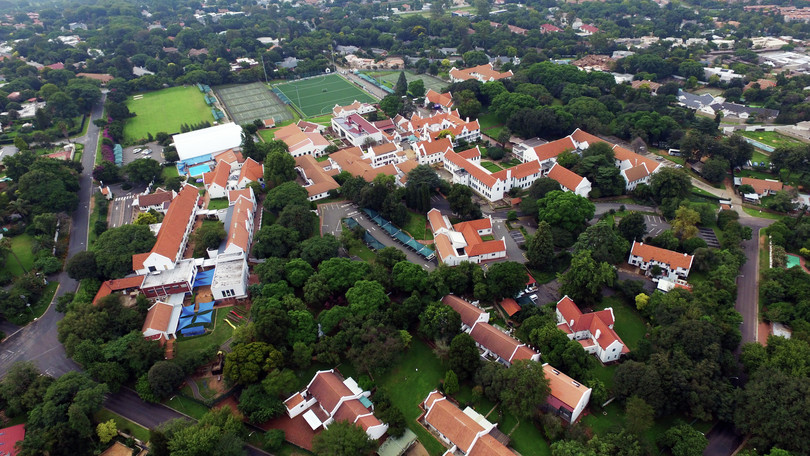
Aerial picture taken by Mr Dave Milner with a drone, 2021
- January 2017 Inductions of Mrs Gill Jeffrey as Senior School head and Mrs Bev van Niekerk as Junior School head
- May 2017 Mrs Ivanka Acquisto appointed as the newly-defined executive head
- January 2018 Induction of Mrs Ivanka Acquisto as executive head
- 2018 School structure organised into four schools
- 2018 St Andrew’s formalises its affiliation with the Anglican Board of Education
- 2019 The school is admitted as a candidate school of the Round Square organisation
- 2020 Mr Siphiwe Vilakazi appointed as head of uBambiswano
- 2020 uBambiswano celebrates its 30th anniversary
- 2020 25th anniversary of the introduction of rowing as a sport
- 2021 St Andrew’s marks 100 years at Bedford Farm premises
- September 2021 Ms Sheillah Muchauraya appointed as head of transformation and diversity
- October 2021 Dinaledi Science Centre officially opened
- 2022 St Andrew’s celebrates its 120th anniversary
- August 2022 House names changed
Overview
In her 120th anniversary Founders’ Day address in 2022, Lay Canon Thandi Chaane presented a beautiful metaphor of the St Andrew’s community as a tree. She described the school’s founding headmistresses Miss Jean Fletcher and Miss Jessie Johnston as the roots, the foundation which we don’t see but from which the rest of the structure emerges. The teachers and parents are the trunk and branches of the tree that nourish and hold the leaves, which represent the girls. It is these leaves, in varied shades, that bring beauty and movement to the tree, until their season changes and they are released to be scattered to different places where they enrich the environment.
This image is a wonderful representation of the most recent period in St Andrew’s history. It has been a profound, challenging and transformative period for the school, and every part of the tree has had a role to play in strengthening the institution so that it can continue flourishing well into the future.
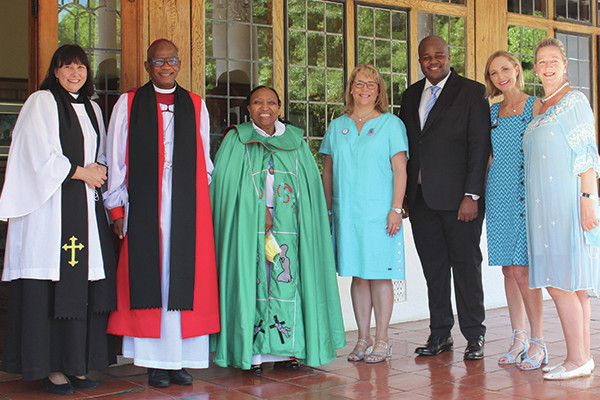
120th anniversary Founders’ Day Platform Party
L–R: Rev Alison Thabethe, The Right Reverend Dr Stephen Moreo, Lay Canon Thandi Chaane, Mrs Bev van Niekerk, Mr Siphiwe Vilakazi, Mrs Lee Milner, Mrs Ivanka Acquisto
After Ms Marina Burger’s departure in 2015, Mrs Karen Symons was appointed acting executive head. In May 2017, Mrs Ivanka Acquisto took up her appointment in the new position of executive head of the school. The school’s management structure has evolved so that each of the four schools of uBambiswano, the Preschool, the Junior School and the Senior School has its own head and is a distinct entity within the broader body of St Andrew’s.
Following Mrs Acquisto’s appointment, the management team and the staff began implementing her vision, which included integrating the ‘BIG CAT’ values (balance, integrity, grace, compassion, accountability, trust) into all aspects of school life and strengthening the school’s ties with the Anglican Church.

School heads
School heads gallery School heads
School heads gallery 1 Mrs Ivanka Acquisto, executive head from May 2017
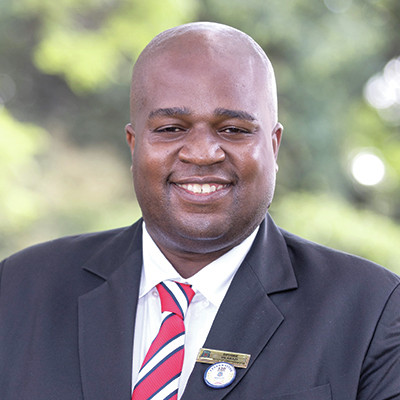
School heads gallery 2 Mr Siphiwe Vilakazi, head of uBambiswano since 2020

School heads gallery 3 Mrs Lee Milner, head of the Preschool since 2016
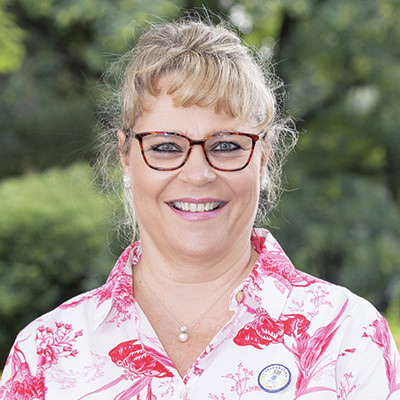
School heads gallery 4 Mrs Bev van Niekerk, head of the Junior School since 2017
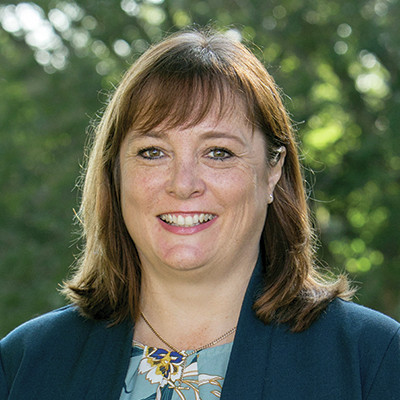
School heads gallery 5 Mrs Gill Jeffrey, head of the Senior School, inducted in 2017
However, just three years into Mrs Acquisto’s tenure, the world was rocked by the arrival of the novel coronavirus, COVID-19. Overnight the school had to shift online, and the next two years were spent managing hybrid schooling, supporting staff and learners through the mental and physical health challenges that the pandemic brought, and finding ways to continue serving the children of uBambiswano.
Then, in mid-2020, following the Black Lives Matter movement in the United States, there was a global awakening about the need to address systemic racism and begin righting the unjust treatment of black people in a multitude of social and institutional contexts. In South Africa, many schools and universities became hubs for discourse around these issues as young people brought their voices to the conversation.
St Andrew’s also began taking this important journey. At the prompting of a group of the school’s alumni, everyone from across the community came together to start the process of addressing systemic racism at the school. Under the guidance of interim transformation and diversity head, Mr Siphiwe Vilakazi (the head of uBambiswano), the school began the process of acknowledging and addressing racial injustice, decolonising the curriculum and other aspects of school life, including the names of the four school houses, to transform St Andrew’s into a more inclusive environment.
This period also saw some significant capital projects completed, including the brand new Dinaledi Science Centre, a new block of studio units for staff housing, revamping of the Matric common rooms beneath Bedford Court, the Junior and Senior School staffrooms, the renovation of the Foundation Centre, Junior and Senior School libraries, and an extension to the dramatic arts facility. Over the years there were a number of upgrades to accommodation and facilities in the Preschool too. A new perimeter wall and fencing project was completed in the 120th anniversary year.

The Dinaledi Science Centre Logo developed for publicity about the new building
In 2020 the school celebrated the 30th anniversary of uBambiswano and 25 years since rowing was introduced as a sport.
In 2021, the school marked 100 years since it moved to the Bedford Farm premises.
In 2022 the school celebrated its 120th anniversary. What does it take for a school to endure for such a long time? What the St Andrew’s story shows is that it’s a balance between tradition and adaptability, pioneering to forge new paths and, most importantly, building community.
A vision for the future of St Andrew’s
Mrs Noëlle McCann, who has acted as personal assistant to five different heads at St Andrew’s, says that in witnessing several leadership changes at the school, she has seen that the most effective leadership style is firm but fair and consistent. “The most important thing is consistency and that everyone gets treated equally,” she says.
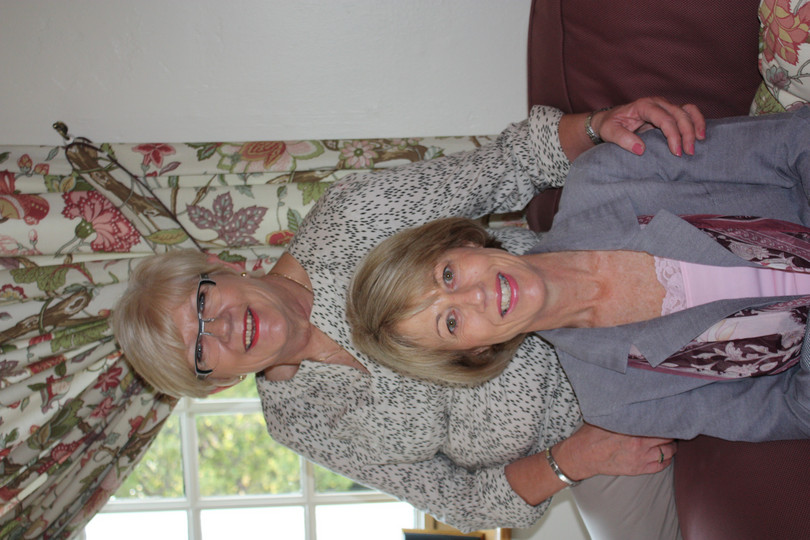
Mrs Noëlle McCann with head Mrs Pauline Jackson in 2013. Mrs McCann worked as personal assistant to Mrs Jackson from 2007 to 2013
In 2016, Mrs Acquisto, who was head of St Stithians Girls’ College at the time, was approached and asked if she would consider the position of executive head as part of St Andrew’s new management structure. As executive head she wouldn’t be responsible for day-to-day operational decisions at the school but would provide vision, leadership and development oversight for the entire school, ensuring the best interests of all four schools would be looked after. After 21 years at St Stithians Girls’ College, Mrs Acquisto accepted the offer and in May 2017 she took up the position of executive head at St Andrew’s.
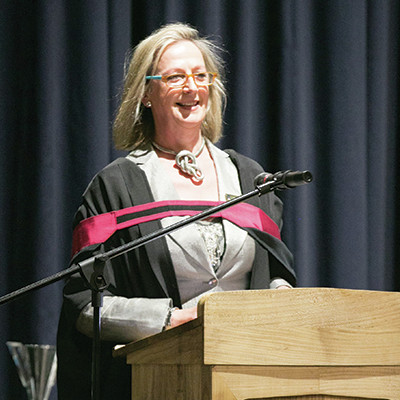
Mrs Ivanka Acquisto, executive head, speaking at the Senior School Speech Night in 2017
During her interview process, Mrs Acquisto presented a vision for the school that she felt would allow it to successfully hold the tension of balancing growth, adaptability and relevance with tradition, sustainability and a solidified identity. “Schools are not static places,” she explains, adding that they need to respond to their current social, economic and educational context while acknowledging where they have come from. Her vision for the school when she joined St Andrew’s was for it to be a place where “students can retain curiosity where they can develop beautiful ways of being in love with, and full of, wonder.”
She also felt strongly that uBambiswano should be formally recognised as the fourth school at St Andrew’s and that it should have a head who was part of the same management structures and platforms as the Preschool, Junior School and Senior School heads.
Tea With the Giraffe Lady
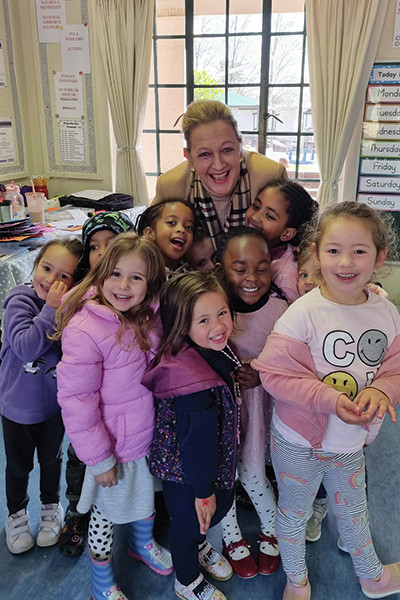
The Giraffe Lady visited the Preschool in 2022
The new management structure took some time to implement fully and explain, and there were many meetings and sessions with all the different stakeholders at the school. To help the learners to understand her position and how she could serve them, Mrs Acquisto spent time in the different schools sharing about the new leadership structure. One day, while she was with the Preschool children, Mrs Acquisto explained her role by saying that she was like a giraffe who walked across all the campuses looking up and out to see what was happening across the school and selecting the best, tastiest leaves to help nourish St Andrew’s. That explanation, along with Mrs Acquisto’s 1.76m height, left an indelible mark in the little ones’ minds and from then on, she became fondly known as the Giraffe Lady. This has started a new tradition: when children graduate from Preschool, they have what is officially called ‘Tea with the Giraffe Lady’. It’s a time when Mrs Acquisto can listen to and learn from the children about their experience at the school and the children get a giraffe badge to remind them of their time together.

A selection of ‘Tea with the Giraffe Lady’ badges from over the years
A new era for uBambiswano

uBambiswano’s logo commemorating its 30th anniversary
In 2019, after 10 years of heading uBambiswano, Ms Annette dos Santos felt that it was time to take up a new opportunity in Portugal. Mr Vilakazi, who had immense experience as a teacher and in leading community development initiatives at schools, including at Redhill, St Stithians, St John’s and The Ridge, was appointed to lead uBambiswano in 2020.
In one of his first acts as the new head, Mr Vilakazi gave the keynote address at the 2020 Founder’s Day celebration in honour of uBambiswano’s 30th anniversary. He says it was an opportunity to share just how much of a collective effort uBambiswano is.
“I’m mindful that I can’t do this alone. I need the stakeholders to come to the table. It is a team effort and the school is bigger, uBambiswano is bigger than me the individual. So I need my colleagues, children, parents and the St Andrew’s staff to come on board.” Siphiwe Vilakazi, head of uBambiswano, 2020 – present
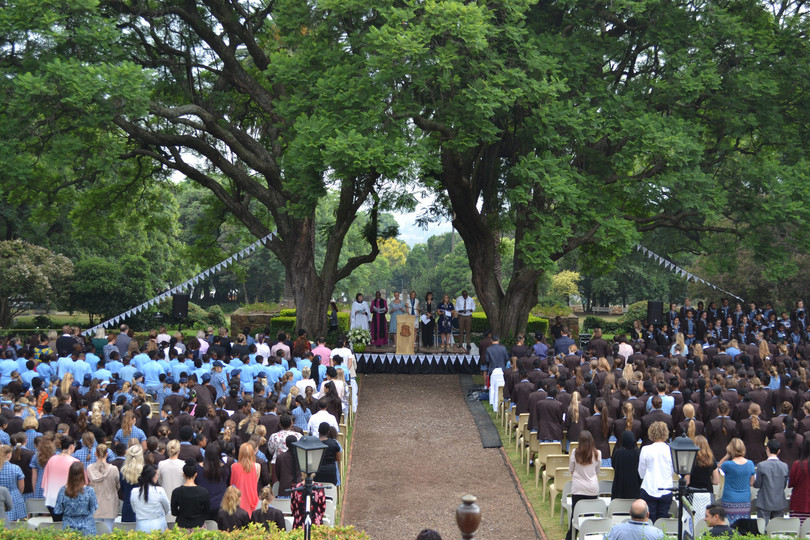
Founders’ Day 2020 when the 30th anniversary of uBambiswano was celebrated
Part of the reason Mrs Acquisto was intent on increasing the status of uBambiswano at St Andrew’s and formalising its position as the fourth school is that the benefits of the work done at uBambiswano are experienced by both the uBambiswano students and the wider St Andrew’s community as they partner together. As Mr Vilakazi explains, “strengthening society is a collective responsibility”.
“Once we see it as a mutually beneficial relationship, it changes everything. Even with our interactions with schools in Daveyton and Etwatwa – when we interact with the teachers and the heads, it’s not always about us taking knowledge to those schools; it’s where we as colleagues share best practice. The teachers in those schools are doing amazing things with limited resources and have so much to share,” he adds.
As a self-funded entity, reaching the milestone of uBambiswano’s 30th anniversary was something well worth celebrating. Mr Vilakazi commends Ms dos Santos for handing over a “fully functional school” for him to build upon and take into the next decade of its story and notes that the school owes its success to the many people who have played a role in establishing and growing it.
Mr Vilakazi spent the first part of his tenure spending time with the uBambiswano community to inform his vision for the school.
“It was so interesting; when I first met the kids, and they said, ‘Oh, it’s a ‘he’. It’s the perception that only women could do this, and men don’t have compassion… so I thought this would be a wonderful opportunity to educate our community that we box people according to genders and it’s so important to allow yourself to experience someone before you make conclusions about them,” he says.
He also wanted to increase the children’s sense of ownership within uBambiswano. He wanted to help them see that they aren’t visitors at uBambiswano and that it’s their school to be proud of. “The more you give ownership to the children, the more they handle it with responsibility,” he says. For the first two months in his role, Mr Vilakazi worked on “the psychology of the importance of belonging” with the students.
“What I hope for every child that I’ve taught is that they can be themselves and know that they are accepted and loved. You need to operate from your authentic self, and I think you can’t say you’ve fully lived if you haven’t done that. Helping our pupils experience that was definitely on my to-do list when I took up this role.” Siphiwe Vilakazi, head of uBambiswano, 2020 – present
Teacher development through uBambiswano
When Mr Frank Simmonds first started uBambiswano in 1990, much of its focus centred on teacher development in less-resourced schools. Mr Vilakazi’s vision for uBambiswano includes revitalising this crucial aspect of the school’s work.
uBambiswano is a self-sufficient financial entity within St Andrew’s, and it recently received a specific donation to begin re-developing this arm of its work. “The number of pupils that can attend the uBambiswano Saturday school is limited, but by investing in teachers in Daveyton and Etwatwa and supporting their personal development journeys, many more children can be reached through uBambiswano’s work,” says Mr Vilakazi.
As part of this, uBambiswano has a relationship with the Wits School of Education and is able to access its professional services in its work to support teachers in Daveyton and Etwatwa. Mr Vilakazi also hopes to tap into the skills within the St Andrew’s community and broker expertise from the parent body to facilitate workshops and training that will contribute to the staff development work at uBambiswano.
BIG CAT values
St Andrew’s had already identified balance, integrity, grace, community, accountability and trust as its core values in a process beginning in 2012 and solidified by 2014. Mrs Acquisto saw an opportunity to bring these values to the fore in all aspects of school life. She and the management team developed the ‘BIG CAT’ acronym to help the school community remember and apply these values. The values were incorporated into a tree form, drawing inspiration from the stained-glass window in the Allister Rogan Auditorium concourse, donated by the Evans family in 2000.
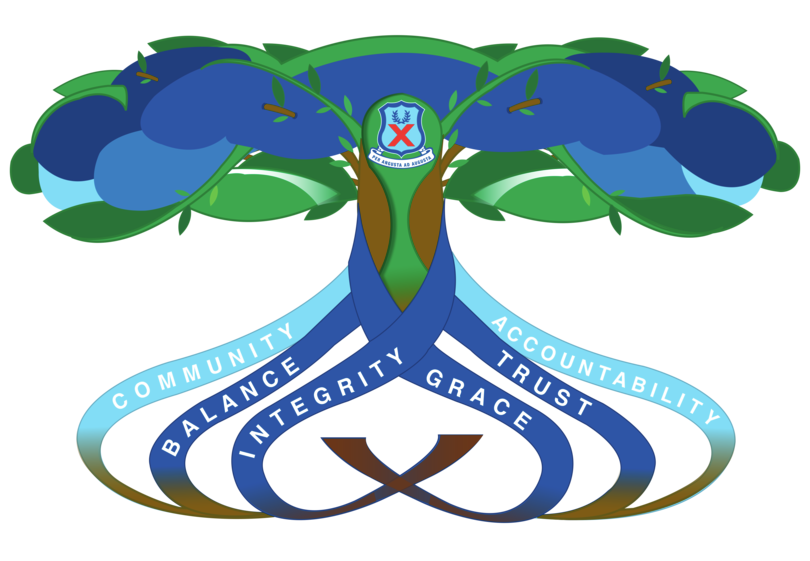
The values tree, based on the stained glass window in the Allister Rogan Auditorium concourse which was donated by the Evans family in 2000
Right from the Preschool level through to the Matrics and for all uBambiswano learners, these values are reinforced in everything – from the way conflict is addressed, to helping students to be accountable in their academic, sporting and cultural commitments.
Lesedi the Lioness
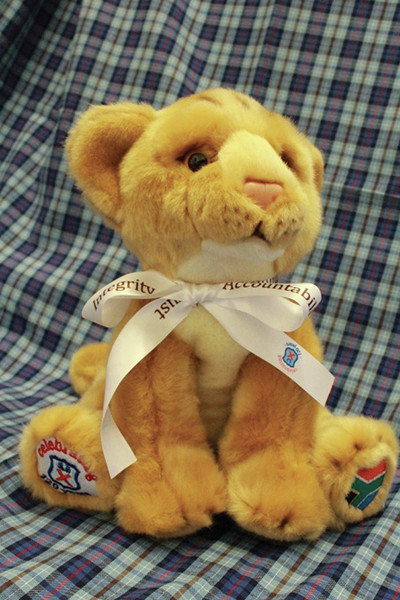
Lesedi the Lioness introduced for the 120th anniversary year, 2022
To mark the school’s 120th anniversary, a committee, led by Junior School head Mrs Bev van Niekerk, commissioned the production of a commemorative lioness soft toy called Lesedi. Below is an extract from Mrs van Niekerk’s Founders’ Day speech where she introduced Lesedi, who will join the Jessie and Andrew bears, created for the 100th anniversary, in the school’s mascot collection.
“The lioness leads by example, through acts of courage and generosity. She is invested in the pride and strives to serve all who need her. The lioness is fearless; she will hunt down prey twice her size if needed. She lives and loves in a big way.
She seeks balance, displays integrity, offers grace, commits to community, accepts accountability and builds trust.
Lesedi is the Sesotho word for light… we stand on the cusp of a new dawn, and we seek clarity and understanding as well as ways to discover and to share in a light that will illuminate the human spirit and enlighten the human mind and heart.
She is symbolic of our BIG CAT values and of our hopes and dreams. She rises to face challenges. She rises to protect the pride. She rises to nurture and care for the young. She rises with purpose and passion.
Lesedi the lioness, reminds us to share our light and to go forth boldly.”
Building strong foundations
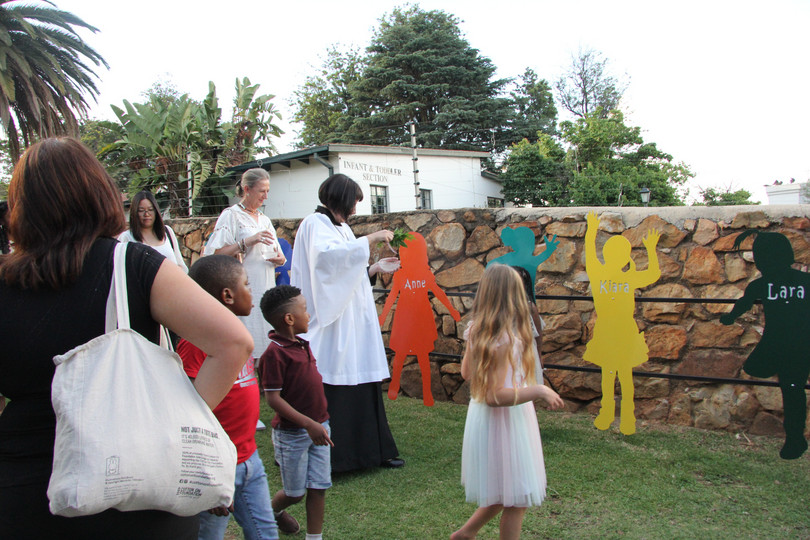
The blessing of the children’s silhouettes mounted on the external wall of the Preschool in 2019
A need for a St Andrew’s Preschool was identified in 2003 to provide for the young children of the staff. From its formal opening in 2005, it has become a core part of the St Andrew’s offering and the foundation for the Skilled for Life philosophy.
“Our holistic learning is all skills based. All the children experience what it means to be part of a big school. We collaborate with the rest of the school and participate in all the whole-school activities,” says Mrs Lee Milner, head of the Preschool. “The Preschool helps with the transition into the Junior School. Many students have formed friendship bonds in our Preschool that have remained throughout their schooling career.”
She adds that the most critical development takes place in a child’s brain during their preschool years. “This enables them to learn much faster than at any other time in their life.
At our Preschool we maximise this critical phase by encouraging a love of learning with our unique teaching and learning programme; paying attention to emotional and social needs by being inclusive and using every experience as a learning opportunity; allowing the children to explore a variety of opportunities with our holistic learning programme, and we treat young children’s education with respect.”
The Preschool’s curriculum continues to evolve to include music led by the head of the music department, Mr Rob Stewardson, IT lessons using a bank of iPads, and the teaching of African languages led by the school’s teaching assistants. Swimming and ballet also continue to be important activities.
The St Andrew’s Preschool aims to offer exceptional education to children from three months to five years old. “My hope is that everyone here will experience magic, adventure, laughter and love each day,” says Mrs Milner. “My vision is that we will prepare each little child to actively serve the world with their unique talents and gifts.”
St Andrew’s and the Anglican Church
Logo of the Anglican Board of Education
In 2018 St Andrew’s formalised its affiliation with the Anglican Board of Education of Southern Africa. Although the school had always had a strong association with the Anglican Church, the school’s management and board felt that it was important to make it official. Mrs Acquisto explains that it allowed the school to “own who we are”.
Rather than excluding families and staff members of other faiths, this affiliation has allowed them to choose the school knowing clearly what the spiritual ethos is. “Spirituality is an important part of the girls’ reality and having a stronger spiritual element helps guide that, rather than becoming a prescriptive tool,” says Mrs Acquisto.
Round Square
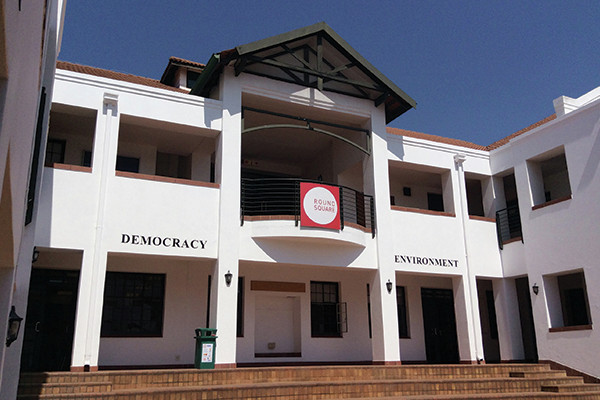
Round Square signage in Bedford Square
In 2019 St Andrew’s was accepted into the Round Square international network of schools as a candidate school. Acceptance to Round Square is based on adherence to its six core principles represented by the acronym ‘IDEALS’.
- I stands for internationalism. This is about getting students to see beyond their own context and understand what’s happening in the global community.
- D stands for democracy. This espouses the goal of giving people a voice and a choice. Many educational institutions have a history of autocratic leadership, and this principle encourages schools to include more inclusive decision–making.
- E stands for love of the environment, which St Andrew’s was already very successfully achieving through its Eco-Schools commitment.
- A is for adventure and encourages schools to facilitate adventure projects and camps for children. St Andrew’s has been doing this for many years through its outdoor education.
- L speaks to leadership. Round Square schools are identified as having the potential to produce future leaders and invest in equipping all their students to grow their leadership skills.
- S is for service. It encourages community engagement with an understanding that schools and children get as much as they give in community partnership experiences.
At St Andrew’s, Round Square functions as an umbrella for the school’s Skilled for Life programme, Eco-Schools initiative and other existing aspects of school life. St Andrew’s long-standing commitment to both whole-girl education and environmental sustainability made for a smooth integration into the Round Square network.
Mr JD Mostert, who is the head of outdoor education, has also stepped into the role of heading Round Square at St Andrew’s. He is responsible for implementing Round Square principles across the campuses – right from the Preschool level, where the children have enjoyed hikes and other outdoor adventures, through to Grade 12.
Under his guidance, the Junior School classes have also wholly embraced the concept and incorporated it into all aspects of school life.
In the Senior School, Round Square has helped to empower the girls to take greater ownership of some of the existing activities at school. “We have developed an experiential learning environment where things like tours are not just for shopping, but life skills are developed by giving students a part in planning and executing them,” explains Mr Mostert.
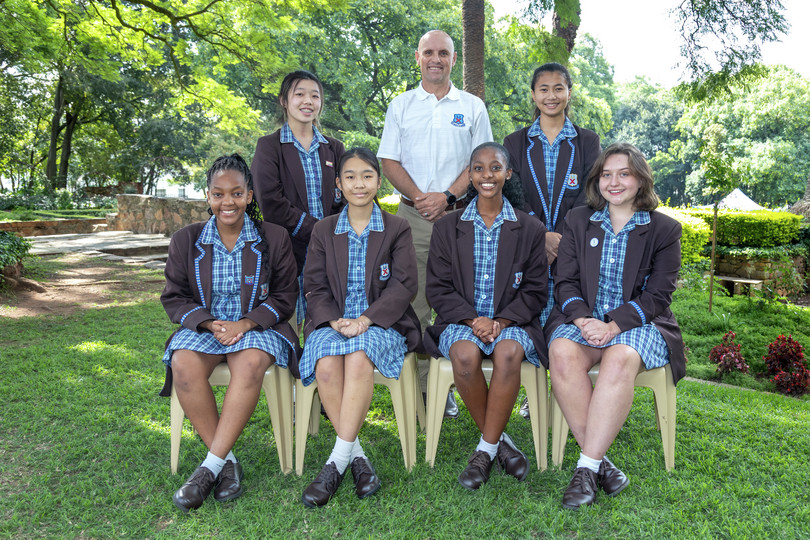
2022 Senior School Round Square Committee
Back Row L–R: Kyra Zhang, JD Mostert, Lin Lin Liu
Front Row: Khanya Ntombela, Alice Zhang, Mmabatho Ntombela, Julia Snyman
Absent: Sasha Bellis
Dinaledi Science Centre
As an all-girls educational environment, the school is committed to providing the best possible foundation for its learners. As Mrs Acquisto explains “I love all-girl educational environments because I genuinely believe they are good for girls.” Empowering girls to achieve in all spheres is an important legacy at St Andrew’s, but the board, management and staff began to realise that some of the school’s existing facilities needed to be significantly upgraded to continue helping girls succeed in the areas of science, technology, engineering, art and maths.
The result was the new Dinaledi Science Centre development, which was officially opened by Mrs Pauline Jackson in October 2021. The 1520m2 centre is situated behind Bedford Court and adjacent to the Frank Simmonds Resource Centre, where staff accommodation, some originally built in 1946, was located previously. However, Mr Morris, who was chairman of the board during this infrastructure project, says that the old buildings no longer provided an acceptable standard of accommodation. It was decided that the project would include the demolition of the old staff building and the development of a new staff housing block near Cheetham House. “It’s really important to have proper living conditions for the staff,” says Mr Morris. The apartments are self-contained modern studio units and there is room for expansion.
The building project was also undertaken with a view to being as sustainable as possible. The old science laboratories were decommissioned and refurbished as multipurpose classrooms. The old wooden laboratory benches were made into furniture and fittings for the renovated Matric common rooms. A vegetable garden was planted on the rooftop of the Dinaledi Science Centre, solar panels were installed, and the building was designed to make use of as much natural light and ventilation as possible.
One of the most innovative aspects of the building’s interior is the ‘moveable’ internal walls. This allows the space to be adapted as needed in future. As Mr Morris explains, “We needed to have a holistic spatial development plan for how to use the whole space best.”
The Dinaledi Science Centre and associated construction cost around R30 million and was completed in time and on budget thanks, according to Mr Morris, to good management and tremendous support from the board. “I think we’ve got a very, very good quality building,” he adds.
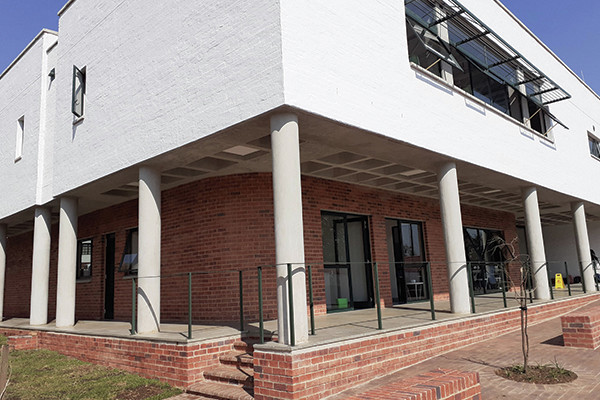
Dinaledi Science Centre
Dinaledi Science Centre gallery Dinaledi Science Centre
Dinaledi Science Centre gallery 1 Dinaledi Science Centre from the North East
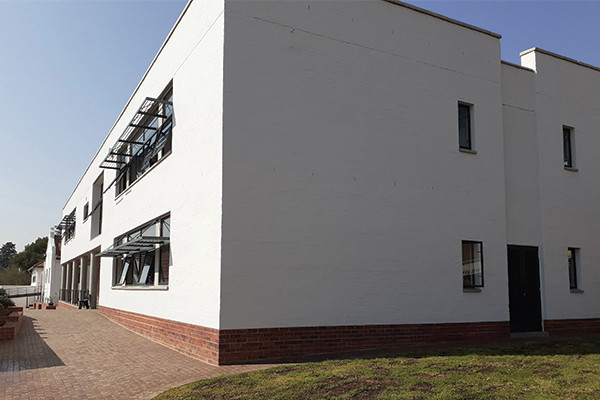
Dinaledi Science Centre gallery 2 Dinaledi Science Centre from the North West
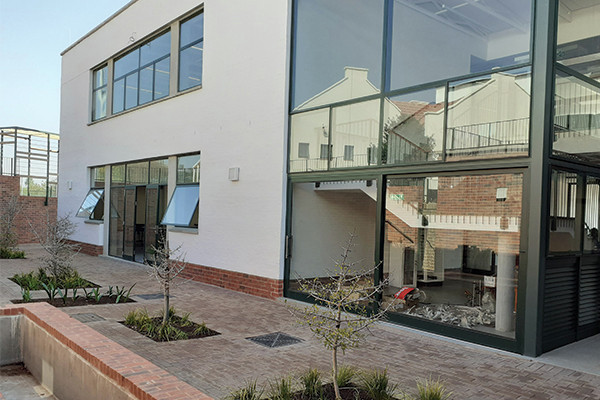
Dinaledi Science Centre gallery 3 Dinaledi Science Centre from the South East

Dinaledi Science Centre gallery 4 The Dinaledi Science Centre plaque
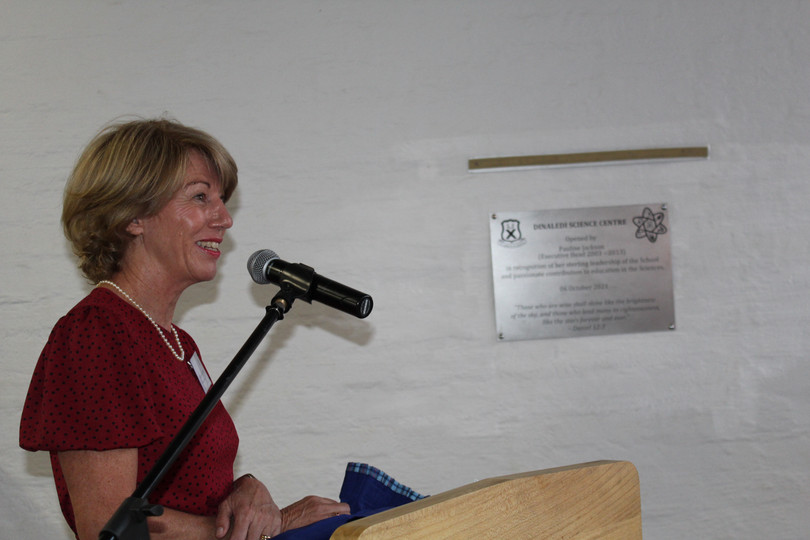
Dinaledi Science Centre gallery 5 Mrs Pauline Jackson speaking at the opening of the Dinaledi Science Centre, October 2021
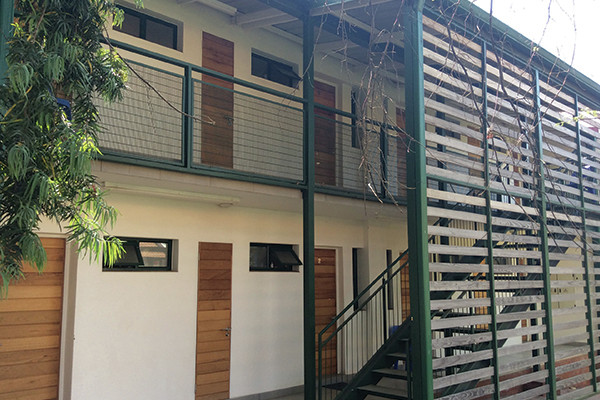
Dinaledi Science Centre gallery 6 The new staff accommodation of eight studio flats completed in 2019
A facelift for the common rooms
The Matric common rooms, or the ‘comms’ as they are fondly known, in the basement of the school’s heritage building, Bedford Court, were also renovated in 2022.
This space was used by the Farrar family, owners of the original house, to store gardening equipment, vegetables, crockery, wine and saddlery. When Bedford Court became a school, these storerooms were used as locker- and change-rooms for sport. Today, the rooms leading out onto the paving at the front of Bedford Court are used as the Matric common rooms while the interior rooms remain storerooms. Many St Andrew’s students still refer to these rooms as the ‘dungeons’, evoking their previous dark, cold and damp state.
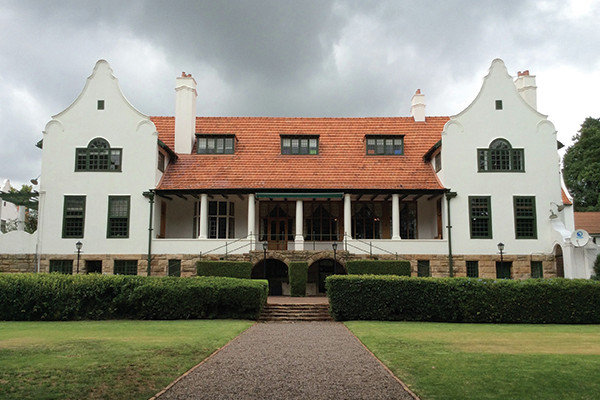
The ‘comms’ in the basement of Bedford Court
The magnificent transformation of the space was spearheaded by Mrs Gill Jeffrey, Senior School head, who worked alongside business manager Ms Samanta Dansie, Mr Warren Manson, the estate manager, and the 2021 head girl and deputy head girls, Marvelous Aderibigbe, Elena Mandić and Andzani Mthenjane.

The kitchen and dining area of the refurbished comms
COVID-19
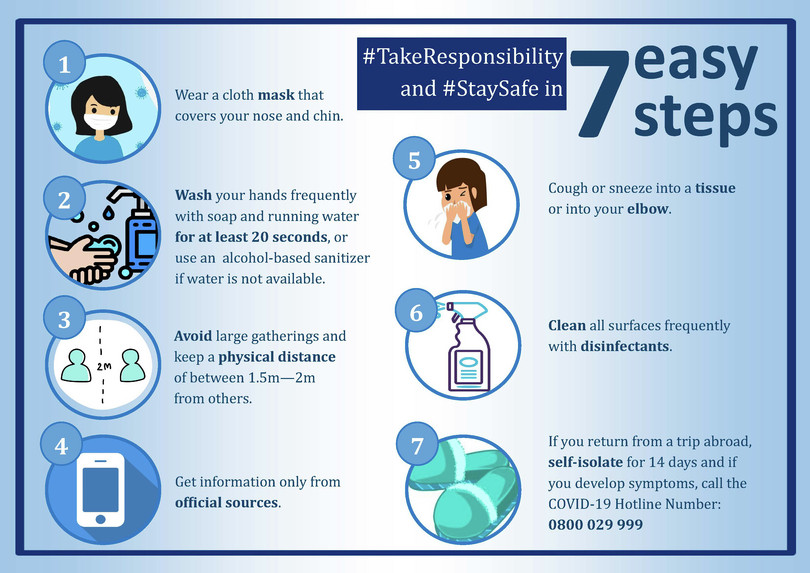
No community around the world was untouched by the COVID-19 pandemic, including St Andrew’s. Overnight, schools couldn’t meet physically and existing approaches to learning and interacting had to be adapted.
Thanks to a policy change five years earlier, which required that every Grade 8 have their own iPad to use for different aspects of their schoolwork, by 2020 all the girls in the Senior School already had access to devices to use at home. This meant that within two days of South Africa’s initial strict lockdown being announced in March 2020, the entire Senior School was operating online.
Mrs Jeffrey explains that although the issue of access was fortuitously resolved for the older girls, there was still an enormous amount of work that went into managing the timetable transition from in-person to online.
She adds that even while academic rigour was maintained, the community faced significant additional stress that needed to be acknowledged. “We found we had to spend a lot of time facilitating human connection and relationships… we definitely felt the social and emotional strain as a community and realised that we need to keep pastoral timetable periods, the sports department developed programmes and exercises that could be taught online, tutor periods were kept, and the wellness team reached out regularly with tips and encouragement for managing mental health during this incredibly tough time.”
In the Junior School, because the girls didn’t have the same iPad system in place, a more creative approach was required to continue school in an online environment. Staff worked tirelessly to develop lesson plans and find ways to connect with their students that suited their different age groups.
“The two COVID-19 years stand out as lowlights and possibly highlights at the same time because if ever a school’s resolve and grit were tested, it was in those years. And I know it sounds very clichéd, but I can honestly sit here as the head of the Junior School and say how incredibly proud I was of the way the community was able to rally and deal with those two years. Every single person played their part.
Community is one of our school values, and I don’t think there was ever a time that it could have been role-modelled more overtly than in those two years. Between the parents, the girls and the staff, who were just phenomenal, everyone had to step up – and they did.” Bev van Niekerk, Junior School head, 2017 – present
Even when everyone was allowed to come back to the school premises, strict COVID-19 safety protocols had to be implemented.

Mr Chris Boshoff, St Andrew’s COVID-19 compliance officer from 2020 to 2021
Mr Chris Boshoff, the functions manager, became the school’s COVID-19 compliance officer and helped facilitate the transition. “We were able to work together so closely, and work with so many amazing teams in the school, which made the abnormality a little bit more acceptable,” he says.

Ms Caron Garner, head of Grade 0
Ms Caron Garner, head of Grade 0, agrees. She says that when COVID-19 struck, she was extremely concerned about the little ones attending classes online. “For me, it was just incredible to watch 5- and 6-year-olds online, attending ‘Teams Meetings’, taking turns, muting and unmuting themselves, and dialling into their teachers when they needed assistance. It really highlighted for me that we must never, ever underestimate a child and what they are capable of,” she says.
In the wake of COVID-19, technology has been permanently integrated into how the school functions, aiming to keep the best aspects of digitisation without losing the important physical elements.
The arrival of COVID-19 and the subsequent lockdown restrictions presented a huge challenge for the Preschool, where teachers and children particularly missed their personal contact. The Preschool team worked hard to maintain connections with the children, and once they were able to return to in-person classes, went to great lengths to support the students. Mrs Milner says, “The children are resilient and with the commitment of our excellent teaching staff, we were able to work on the areas our children lost during the pandemic.”

Nicole Chetty, head girl 2020
“Leading the school during the height of COVID-19 was definitely challenging and I must admit I times I felt defeated and targeted. I often asked myself “Why me?” “Why us?” “Why our year?” The fear of the unknown was one that frightened us all. The year that lay ahead was daunting. However, with the help of my two Deputies, Sarah Kromhout and Ugochi Umah, the amazing council of 2020 and my phenomenal grade, the year was a successful and memorable one. Matric is a difficult and stressful year academically and COVID-19 was definitely not something we had hoped to add to our list of pressures. However, our teachers worked tirelessly to ensure that we were equipped to achieve the best possible results at the end of our schooling career. I am eternally grateful for each and every one of them.” Nicole Chetty, head girl 2020
For St Andrew’s uBambiswano pupils, access to digital devices and internet connections was limited, but this didn’t stop Mr Vilakazi and his team from finding ways to support the students while schools were closed.
Explaining the pivot for uBambiswano, Mr Vilakazi says, “I think for any leader to demonstrate their leadership qualities you almost do need a crisis because that will tell you whether you’re a fit for this role, or not. And because our programme has limited resources and our kids don’t have iPads and Wi-Fi, we needed to be creative in finding ways to continue to support our children. And that’s where teamwork kicked in.”
The uBambiswano team put together work packs that were delivered to Daveyton and Etwatwa and, thanks to a sponsor, were able to purchase food vouchers for some of the uBambiswano families.
Mr Vilakazi also saw that there was a need for psychological support for the children and their families. With the St Andrew’s wellness team and with help from a social worker who partners with uBambiswano, voice notes were created to be shared on WhatsApp with information for families and tips on how to navigate this incredibly difficult time.
As the new head of uBambiswano, Mr Vilakazi felt that it was important for him to remain connected with the children, so he created short videos and voice notes containing encouragements for the community. “Those were so well received and appreciated by our community, and I think that’s when I really connected with the community that I’m currently serving because in a crisis we get to know our real friends,” he adds.
Mr Vilakazi started penning his thoughts on the uBambiswano website, aiming not only to share progress at uBambiswano, but also to unite the community and inspire hope.
Transformation and Diversity

St Andrew’s Transformation and Diversity Task Team, 2022
Back Row L–R: Thandeka Thusi, Chelsey Brown, Courtney Oerson, Busisiwe Magqabe, Cayla Saunders, Natalie Teixeira, Bronwyn Abrahams
Middle Row: Kathleen Laughton, Kim McGregor, Nombulelo Jiyane, Tsholo Mhlanga, Deirdre Bauer, Nthabiseng Moloi, Precious Mathe, Sixolisiwe Magula
Front Row: Zinhle Ncongwane, Marta Gaspar, Neerasha Maistry, Sheillah Muchauraya, Gail Venter-Murray, Paola Zondo, Kholu Mtsweni
Absent: Verushka Ananmalay
Amidst the backdrop of the COVID-19 pandemic, another global sea change was taking place. It was in 2013 that the hashtag #BlackLivesMatter first came to the fore, but the movement gained momentum in 2020 across schools and universities in South Africa.
Within the St Andrew’s community, the management team received a submission that documented past students’ painful experiences of racism in the school environment.
“We didn’t realise what a difficult time many girls and staff had had in this environment… Some of our black students let us know that when they came to St. Andrew’s, they had to leave their culture, their real identity, at the gate,” says Mrs Acquisto.
It was a sobering moment for the school and one that demanded an authentic, vulnerable and deep response. So, the management team, staff and board began a journey of understanding, acknowledging and addressing their shortcomings. “Once you know, you can’t unknow, but you can unlearn. You can unlearn and relearn,” says Mrs Acquisto.
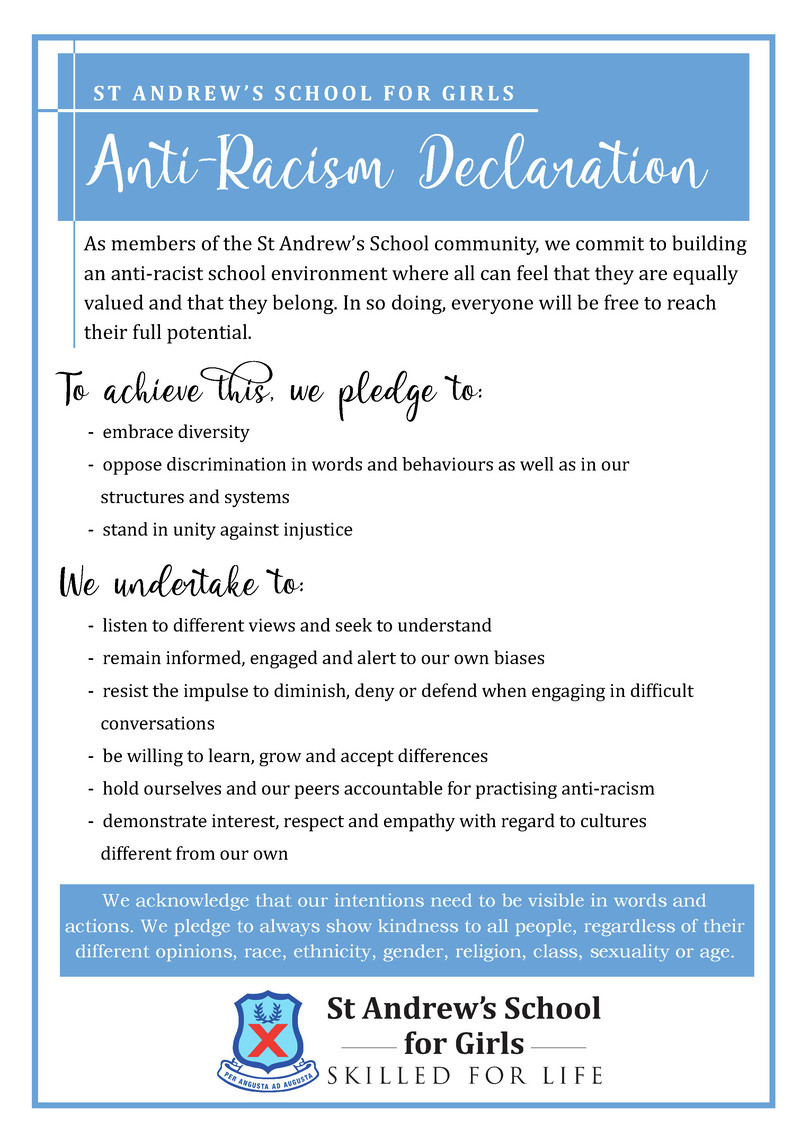
St Andrew’s School for Girls Anti-Racism Declaration of 2021

Mr Siphiwe Vilakazi, 2021, head of uBambiswano and interim transformation and diversity head
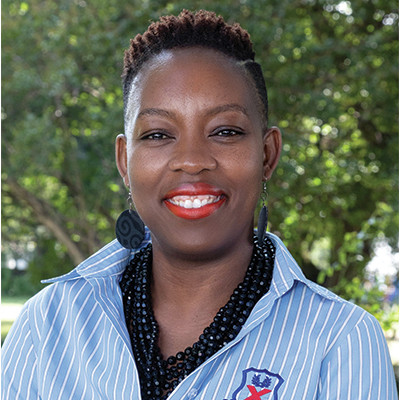
Ms Sheillah Muchauraya was appointed as St Andrew’s transformation and diversity manager in September 2021
The board asked the recently appointed head of uBambiswano, Mr Vilakazi, to help the school on its journey towards creating a more inclusive environment. He acted as the interim transformation and diversity head until Ms Sheillah Muchauraya was appointed to the permanent position in September 2021.
“As a black teacher in a private school system, I’ve experienced so many things,” says Mr Vilakazi. “I’ve experienced racism, experienced children and other staff members who are racist to children, microaggressions, but I’ve always been vocal about addressing it. In a kind, but very clear, way… but it did break my heart when it came to the kids because they would often come to me as a black staff member as they could relate to me.”
Mr Vilakazi says leading the school through this time was a valuable experience. “I don’t regret that I was here because, from that experience, I’ve grown to be a better person… I really feel that the school made the right move and is committed to making St Andrew’s a more inclusive environment… We’ve become much more transparent as a community than we were before because I think there’s more mindfulness.”
Mrs Acquisto and her team also received valuable encouragement from Mr Morris and the board, who understood the need for and supported the work that had to be done.
Slowly, change began to take place. The nature of these journeys is that there is a significant amount of discomfort in the process, and it takes time to rebuild trust and find common ground.
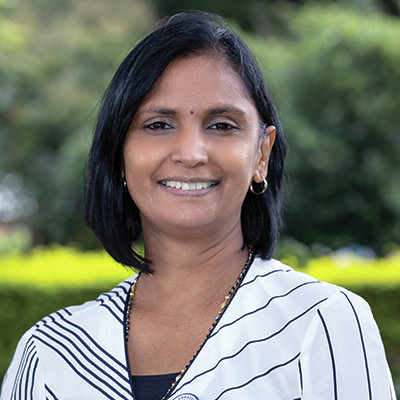
Mrs Neerasha Maistry, head of foundation phase in the Junior School
Mrs Neerasha Maistry, head of the foundation phase, says that the most exciting changes that have taken place at the school since she has been there have been regarding transformation and diversity. “The changes started off slowly and were overwhelming. But being part of the changes from the start has been phenomenal,” she says. “The inclusion and belonging that is felt around the school is heart-warming. Embracing the need for change and ensuring the importance of every stakeholder was and still is an empowering journey. I am proud of St Andrew’s for making the important changes that make our country, our world and our lives better each day.”
Mr Vilakazi’s empathy and ability to understand multiple perspectives, along with the commitment from all involved, proved immensely helpful in bringing the community together to move forward on this journey.
“Our vision is to establish a school of hope and dignity where everyone, no matter what their role, is treated with respect – a school guided by love, not fear – a school of belonging, inclusion and thriving for everyone – a school where we listen well.” Ivanka Acquisto, executive head, 2017 – present
New house names
As part of the broader transformation and diversity journey at St Andrew’s, the school underwent a process of reconsidering its house names.
Ms Muchauraya explains that to understand the importance of this change, it was first important to understand why the names were problematic. While many assumed that the names were the surnames of the school’s founders, they were not. Selborne, Milner, Athlone were surnames of administrators who served in the colonial government and army and Farrar was a randlord.
“The four men at that time were seen as pioneers who represented strength, leadership, and achievement in military and civic endeavours,” explains Ms Muchauraya. “However, they supported the white supremacist notion of segregation and discrimination based on race. As leaders, they were rewarded for their roles in the financial gains in the mining sector that saw the widespread abuse of black and Chinese labour. It was also important to understand the context of the times and how women were maligned and seen as housekeepers, childminders or ladies of leisure. It was evident that the names were not aligned to the school’s values and ethos and it was therefore important that new names be considered that reflected these.
Great care was taken to include the whole school community in the re-evaluation of the house names, including people at the school in 2022 and those who had previously been involved with St Andrew’s. Several different engagement sessions were held, starting with the reasons for reconsidering the names.
Potential themes for the new names were identified and then narrowed down to two options. The student heads of houses were tasked with proposing four names per theme, providing motivations and potential symbols for consideration. The names were then put to the community to vote.
“All students from Grades 4 to 12 were expected to vote at a specified time and the importance of casting one’s vote provided a critical lesson on the value of taking ownership of decisions in one’s space,” says Ms Muchauraya. “Voting was also open to all school staff, alumni, board members, trust members and parents.”
The final names were announced in August 2022 at a special ceremony that was also livestreamed. The new theme selected for the house name was trees, with each house taking the name of a species of tree. Selborne house became Marula, Milner became Baobab, Athlone became Acacia and Farrar became Karee.
There are many trees on the school property, latterly all those planted have been indigenous species. Trees have also been featured in artworks around the school including the Junior School mosaic co-ordinated by artist Bronwen Fleming at the front of the school hall. The mural inside the hall was designed by Hannelie Coetzee using timber from the stinkwood trees that were cut down to make way for the hall extension.

In 2016, artist Bronwen Findlay co-ordinated the Junior School students’ production of sections of the two murals at the main entrance to the hall
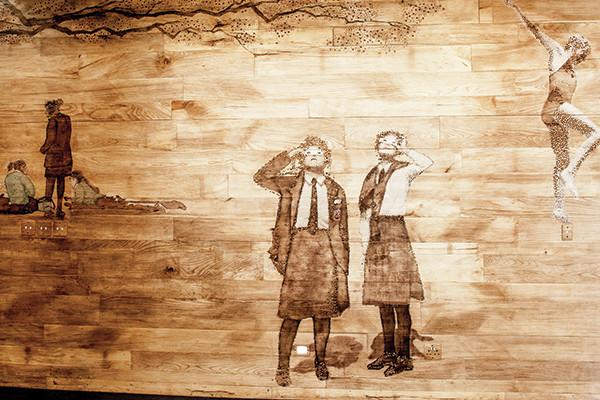
The hall mural was designed by artist Hannelie Coetzee, and was made using timber reclaimed from the trees that were cut down for the Senior School hall extension
Reflecting Lay Canon Chaane’s metaphor of the St Andrew’s community as a tree, the students explained the significance of the new names and how the theme of trees ties into so many aspects of life at St Andrew’s.
“Trees are found in an infinite number of locations and have adapted to survive different conditions within South Africa. However, as diverse as they are in appearance and adaptations, every tree is rooted in earth’s ground and needs air, water, nutrients and sunlight to survive. Similarly, the students at St Andrew’s are unique and represent the diversity of South Africa. However, they are all brought together and rooted by St Andrew’s. They are nourished by the knowledge and relationships shared by their teachers and peers, as well as the physical buildings of the school.
Trees bear fruit that people benefit from, they produce oxygen and provide shade. Trees serve as a central point for sacred areas for special gatherings. Trees play an essential role in life, just as the students are arguably the most essential element of St Andrew’s. They keep the school breathing. The leaves that develop here will provide shade for others in the future; the buds that form here will become fruit that could positively impact the whole country, perhaps the whole continent or even the world, St Andrew’s teaches core values yet gives students the space to sprout into beautiful forms that all desire. Every year, a tree grows a new layer of bark which is symbolic of the acknowledgement of the history of the schoolhouses as new layers of history are created.” Student heads of houses, 2022
Andrean Archives

2022 Exterior of the Andrean Archives
The St Andrew’s school archives document the school’s history and include everything from documents and books to photos, building plans, videos, sound recordings, uniforms and special memorabilia.
Mrs Shelagh Bouwer, whose daughters attended St Andrew’s, was asked to help Mrs Dorothy Ede with research for the second history book about the school, The Golden Spoon. Later the Old Girls’ Association invited her to establish the Andrean Archives as a centenary project.
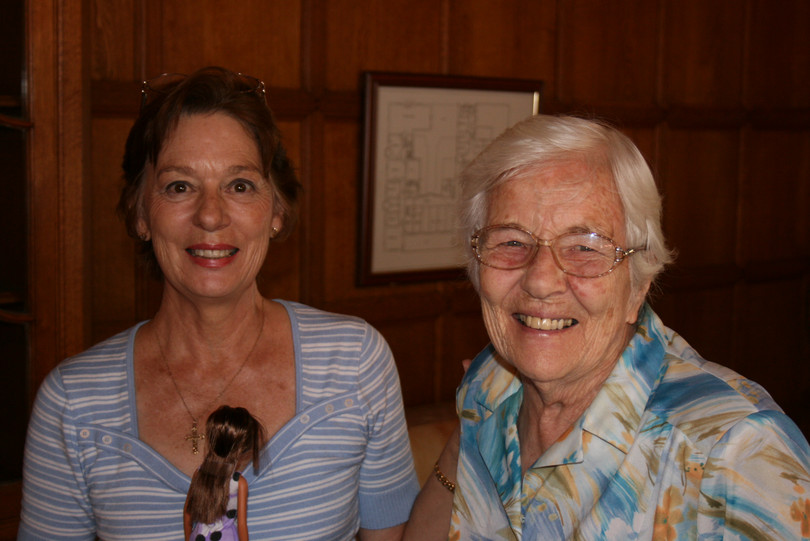
Mrs Shelagh Bouwer, the founder of the Andrean Archives (L) and Mrs Monica Brink (née Barry, Class of 1940), the patron of the Heritage Foundation in 2010

Mrs Alison Orpen, School Archivist 2017 – 2022
Mrs Alison Orpen, previously the Senior School librarian, succeeded Mrs Bouwer in 2017. “Since then, my interest in history and archive research has developed. I have loved pursuing questions relating to the school’s history,” she says. Mrs Orpen has played an integral role in establishing the school’s digital archive, available through the school website. This includes access to searchable copies of the St Andrean magazine, as well as historical publications. Mrs Orpen has also been involved in sourcing photographs for the 120th anniversary publication.
Community at the core
Community is at the heart of the St Andrew’s story and has been cited by teachers, students, parents, staff and other members of the St Andrew’s family – past and present – as one of the reasons for its longevity.
“My own remarkable journey was in 2019 fighting cancer. The support, love, and care from my colleagues and friends at St Andrew’s was incredible. Although I was unable to come to work for most of the year, I was still made to feel part of the team and felt that my colleagues and friends had my back in any way that I needed,” says Ms Garner.
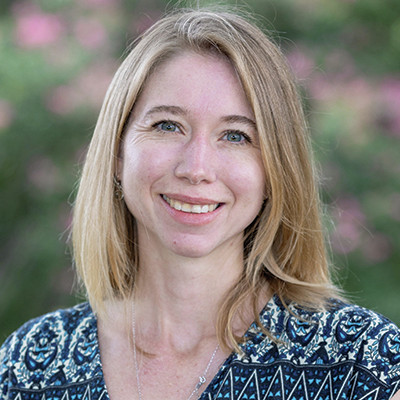
Mrs Anna Feist, one of the school’s educational psychologists in the wellness department
Mrs Anna Feist, one of the school’s educational psychologists, says she has witnessed many incredible journeys through her work in the St Andrew’s wellness department. “I have seen children in the foundation phase struggling academically, [whose parents] questioned if they should attend a remedial school, but who have worked hard, persevered, and with the amazing support of their teachers and therapists have gone on to high school and thrived,” she says. “St Andrew’s turns out girls who are resilient, who persevere, and who discover their potential. The school takes the wellness and support of the girls seriously and strives to help them overcome any barriers they may experience.”
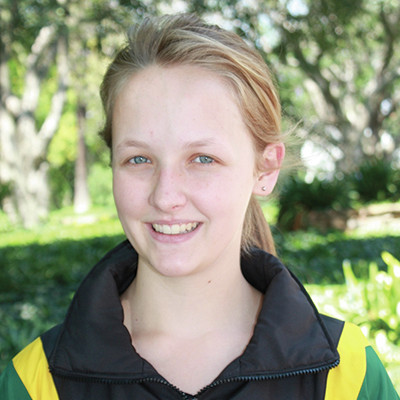
Tayla Stephen in 2013 when she represented South Africa at an international dancing competition in Germany
Tayla Stephen, who attended St Andrew’s from 2002 and matriculated in 2014, says that one of her favourite memories is from her Junior School years. “When I was in Grade 0, my drawing was selected to be buried in a time capsule that marked the school’s 100th birthday. Masechaba Bookholane, the head girl of 2002, held my hand as I spoke softly into the microphone in front of all the school and its guests. Despite being only five, it was a day I remember vividly,” she says. “Masechaba and I reconnected when I matriculated in 2014 and we have remained in contact ever since.”
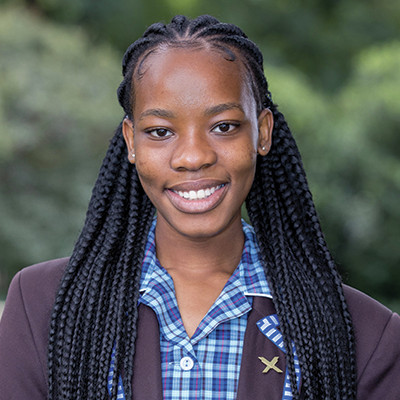
Andzani Mthenjane, deputy head girl, 2021
Andzani Mthenjane, Matric 2021, says, “I enjoyed and was deeply grateful for the privileges provided at St Andrew’s, from the sports facilities to the elevated curriculum and more. I knew that by attending this school I was being set up for success in the future. I loved being part of a community whose physical beauty is manifested through the vitality of the staff members.”
As St Andrew’s embarks on its next decade, all the elements of the community that make up the tree in Lay Canon Chaane’s metaphor have an important role to play in ensuring that it continues to grow in strength, vitality and beauty.
120th Celebrations

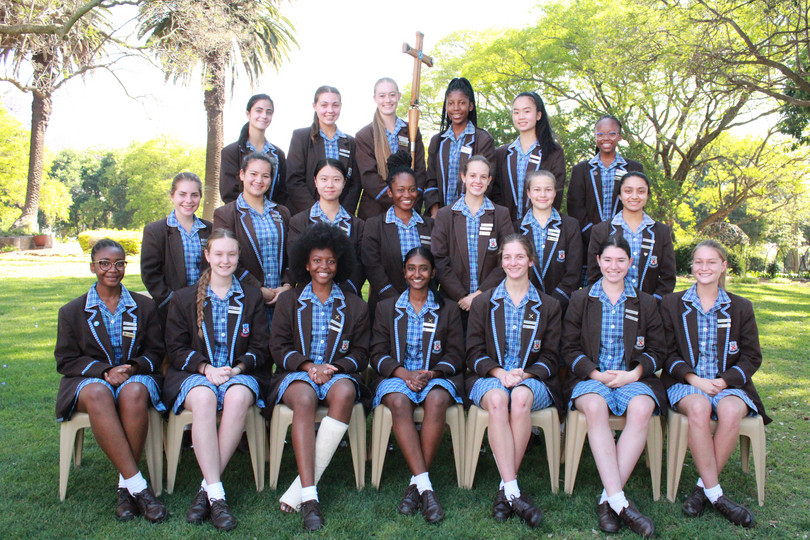
St Andrew’s Council, 2022
Back Row L–R: Ruby Holroyd (deputy head of Marula house), Jordan-Lee Holtzhausen (head of chapel), Caitlyn Stroud (head of sport), Bianca Mkhize (head of boarding), Eva Zuo (head of communications), Nizole Mzileni (head of community service).
Middle Row: Roxanne Symons (deputy head of communications), Alisha Calitz (deputy head of Baobab house), Yuxin Zhang (head of MAD), Kudakwashe Mwarumba (head of student relations), Sarah-Rose Friend (deputy head of Karee house), Melissa van der Berg (head of ECO), Radiyyah Seedat (deputy head of Acacia house).
Front Row: Masingita Skosana (head of Marula house), Donna Yates (head of Baobab house), Chabu Kambafwile (deputy head girl), Amelia Maistry (head girl), Eryn Meiklejohn (deputy head girl), Eri Esterhuizen (head of Karee house), Shannen Kench (head of Acacia house)
St Andrew’s celebrated its 120th anniversary milestone throughout the year of 2022. This included a special Founders’ Day celebration on 21 January 2022 and an Old Girls’ reunion where a total of 21 Matric classes were invited to attend (as there had been no reunions in 2020 or 2021), which took place in May.
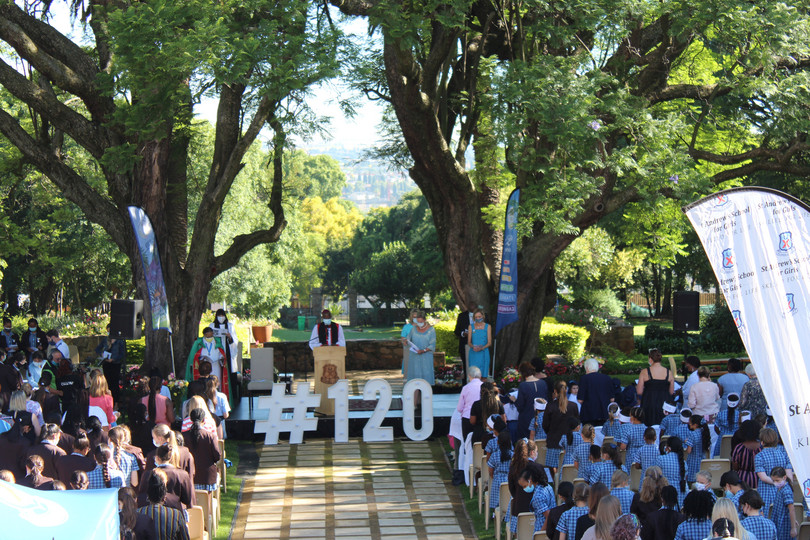
Founders’ Day
Founders' Day gallery Founders’ Day
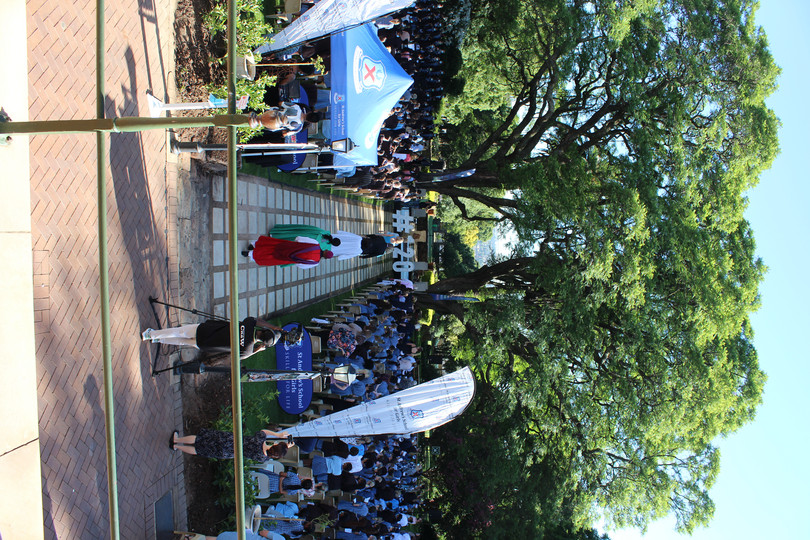
Founders' Day gallery 1 The 120th anniversary Founders’ Day procession
Founders' Day gallery 2 Bishop Moreo speaking at the 120th anniversary Founders’ Day celebration
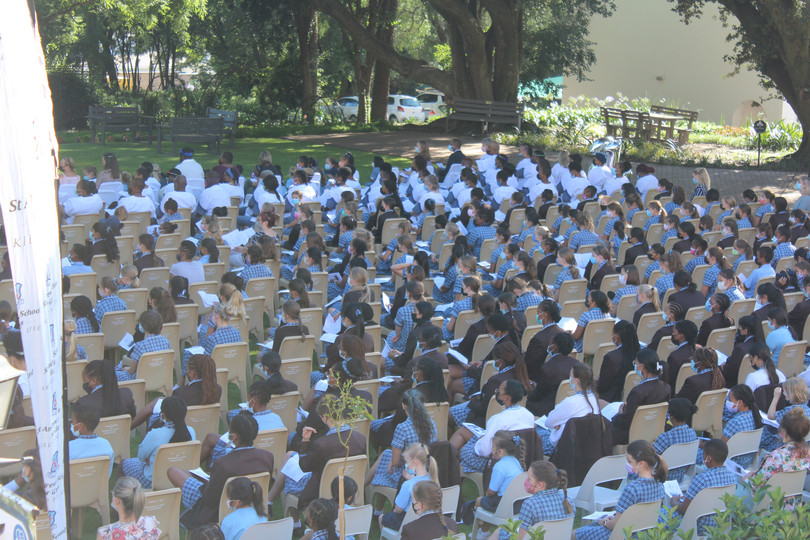
Founders' Day gallery 3 Senior School students and the staff choir assembling for the 120th anniversary Founders’ Day celebration

Founders' Day gallery 4 A standing ovation at the 120th anniversary Founders’ Day celebration

Founders' Day gallery 5 Junior School pupils decorated paper hats for the 120th anniversary Founders’ Day celebration
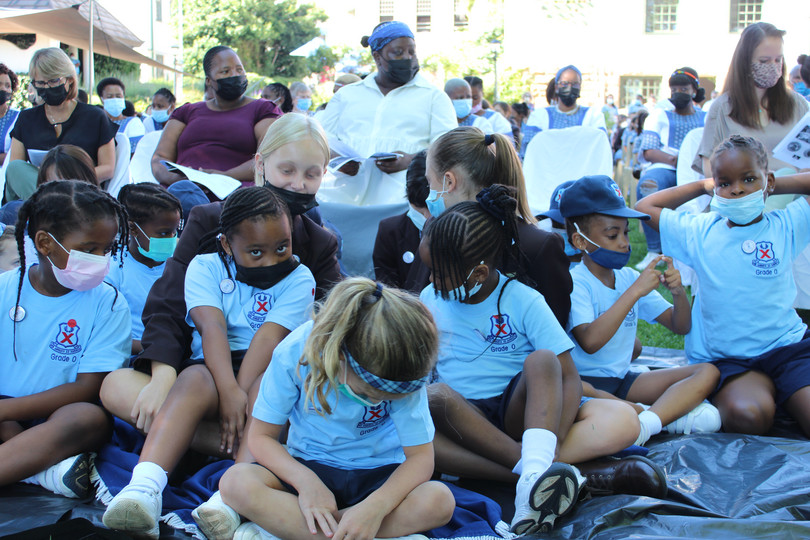
Founders' Day gallery 6 Grade 0 pupils waiting for the proceedings to start at the 120th anniversary Founders” Day celebration
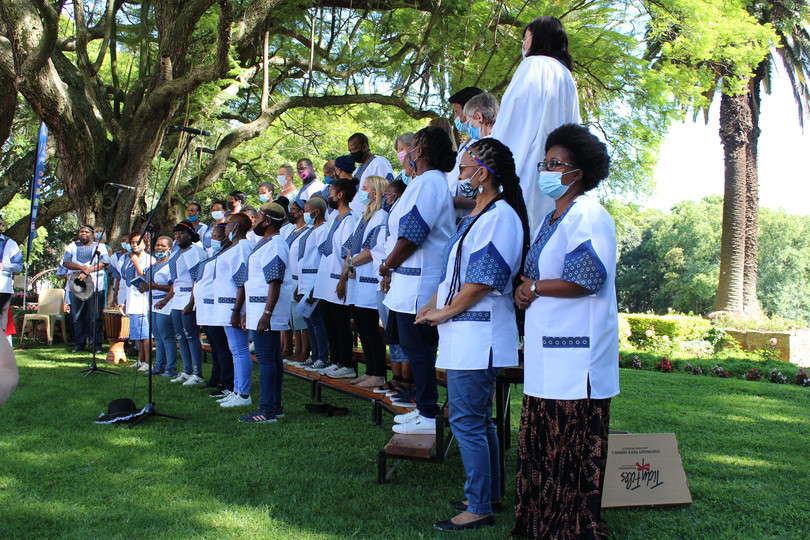
Founders' Day gallery 7 The staff choir at the 120th anniversary Founders’ Day celebration
Founders' Day gallery 8
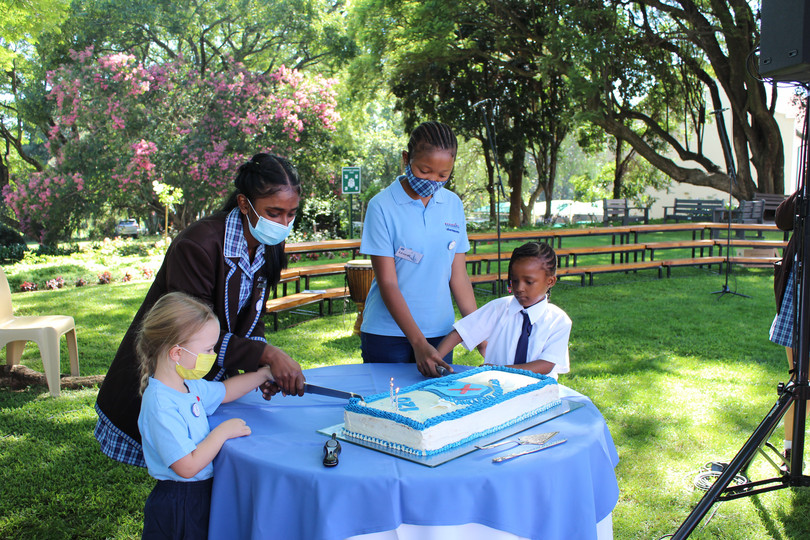
Cutting the 120th anniversary celebration cake
L–R: Olivia Rubin (the youngest girl in the Junior School), Amelia Maistry (head girl), Lesedi Mothibi (uBambiswano), Onkgopotse Ratsaka (Preschool)
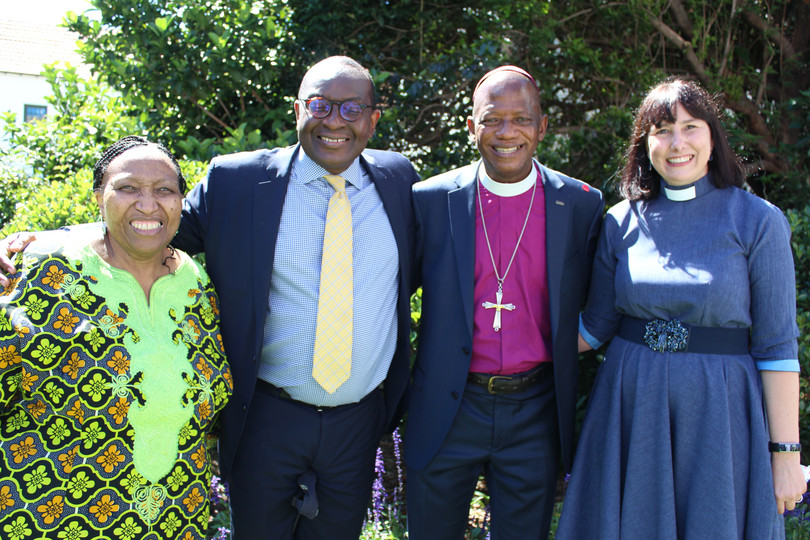
Founders' Day gallery 9 L–R: Lay Canon Thandi Chaane, Mr Lebogang Montjane (Executive Director ISASA), Bishop Stephen Moreo, Rev Alison Thabethe photographed at the tea for guests after the 120th Anniversary Founders’ Day celebration
Old Girls’ Reunion
Old Girls' Reunion gallery Old Girls’ Reunion
Old Girls' reunion gallery 1 View the full reunion programme here
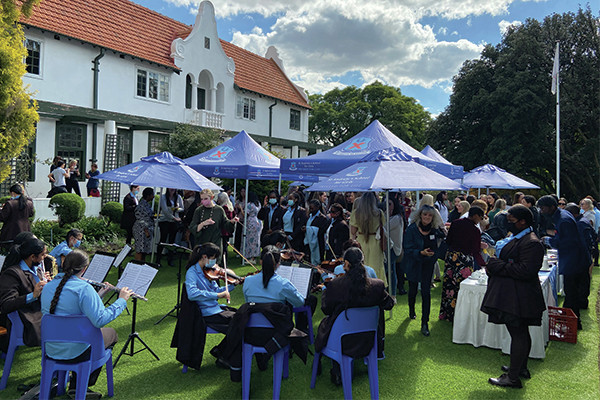
Old Girls' Reunion gallery 2 The Senior School orchestra played during the tea for the Old Girls’ reunion occasion
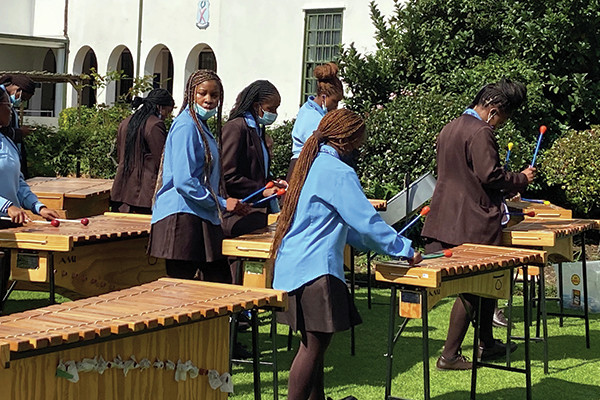
Old Girls' Reunion gallery 3 The reunion tea on the Matric Lawns was accompanied by a school marimba band
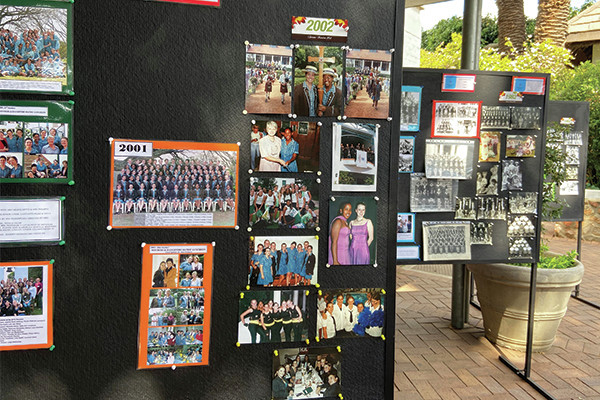
Old Girls' Reunion gallery 4 Photographic displays outside the school hall for the Old Girls’ reunion
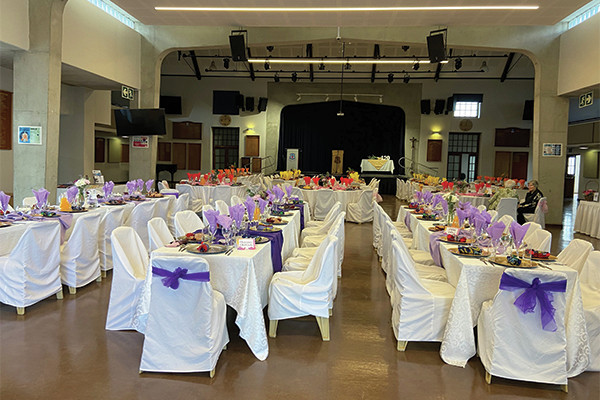
Old Girls' Reunion gallery 5 Lunch tables were arranged in the school hall to accommodate different year groups of Old Girls
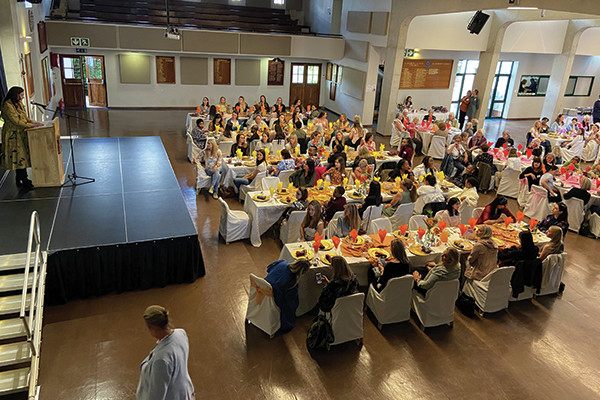
Old Girls' Reunion gallery 6 The chairperson of the Old Girls’ Association, Mrs Nicola den Hond (née Eatwell, Class of 1997), addressed the lunch gathering
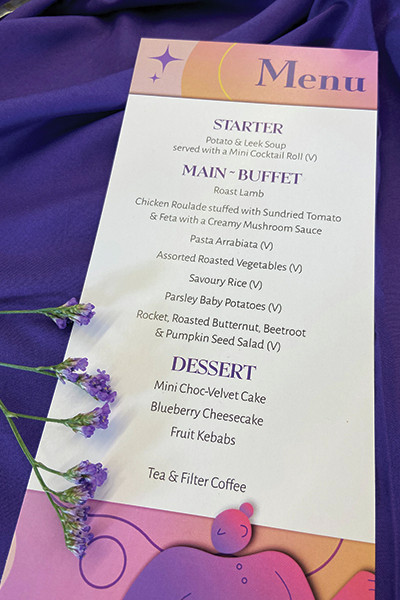
Old Girls' Reunion gallery 7 The reunion lunch menu
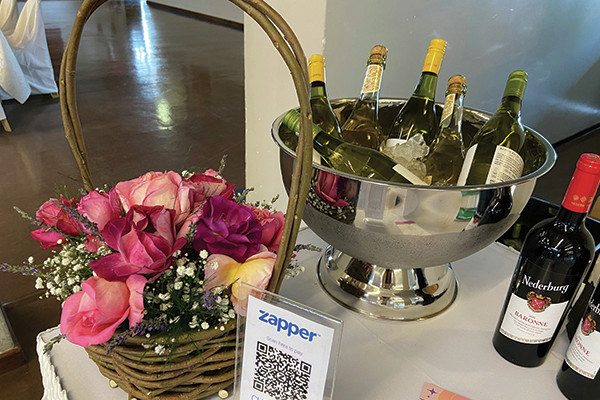
Old Girls' Reunion gallery 8 The reunion wine bar
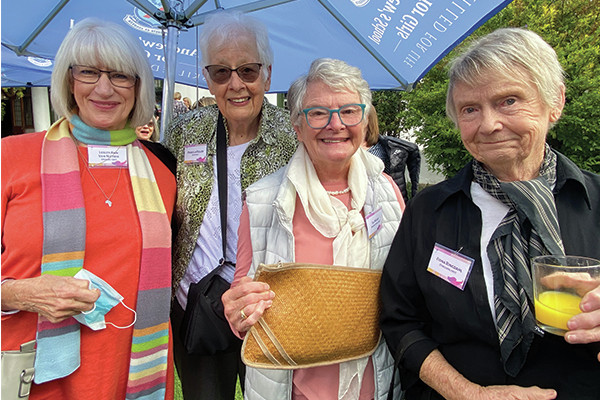
Old Girls' Reunion gallery 9
The earliest group of Matrics at the Reunion: they all matriculated in 1961.
L–R: Mrs Lesley-Ann van Niftrik (née Ormsby), Mrs Priscilla Fuller (née Zipp), Mrs Fiona Ringdahl (née Ferguson), Mrs Jill McKay (née Rogers-Cooke)
In September, the 120th Birthday Bash incorporated the National Indoor Rowing Regatta, musical performances, an art competition, as well as a tea garden, various sporting activities and a food market.

The Andrean Archives were rededicated and a cocktail party was held to launch the 120th anniversary publication on 30 November, on St Andrew’s Day.