2014 to 2016 New Directions
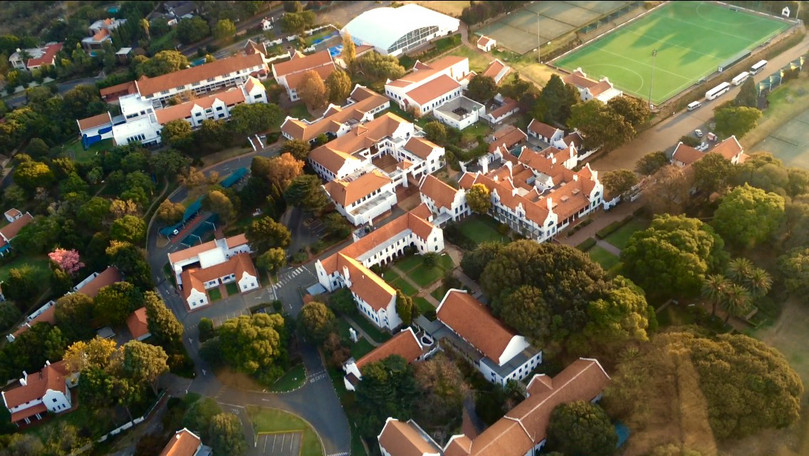
Aerial view of St Andrew’s taken from a Vietnam War-era Bell ‘Huey’ helicopter in 2015 by a parent, Mrs Jacomi Grové
- January 2014 Ms Marina Burger inducted as executive head
- 2015–2016 School hall renovation and expansion
- 2016 Mrs Karen Symons appointed as acting executive head
- 2016 Mrs Lee Milner inducted as head of the Preschool
- 2016 St Andrew’s celebrates 10 years with the Eco-Schools programme
- 2016 Management restructured
- Third term 2016 Mrs Gill Jeffrey appointed as Senior School head (inducted in 2017)
Overview
Every school goes through periods of change, and the period between 2014 and 2016 marked several significant developments at St Andrew’s.
In January 2014, Ms Marina Burger was appointed as the executive head. She joined the school after serving as the head of high school at Dominican Convent School for five years. During her tenure, St Andrew’s invested significantly in IT hardware and software, as well as in security and the school’s physical assets, such as the new music block, the gym and squash courts and the extension of the school hall. Ms Burger was also responsible for introducing the principle of a restorative rather than a punitive disciplinary system.
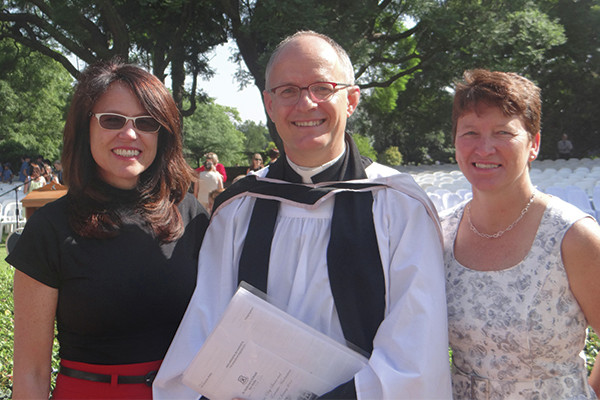
2014 The induction of Ms Marina Burger as executive head on Founders’ Day
L–R: Ms Marina Burger (executive head), Rev Jaques Pretorius (officiating priest), Mrs Karen Symons (Junior School head)
“A common thread I have seen in Marina’s approach has been that she always sees the educational aspects as paramount, and puts them at the forefront of every decision.” Stuart Thompson, chairman of the board, 2010–2014
New buildings
New buildings gallery New buildings
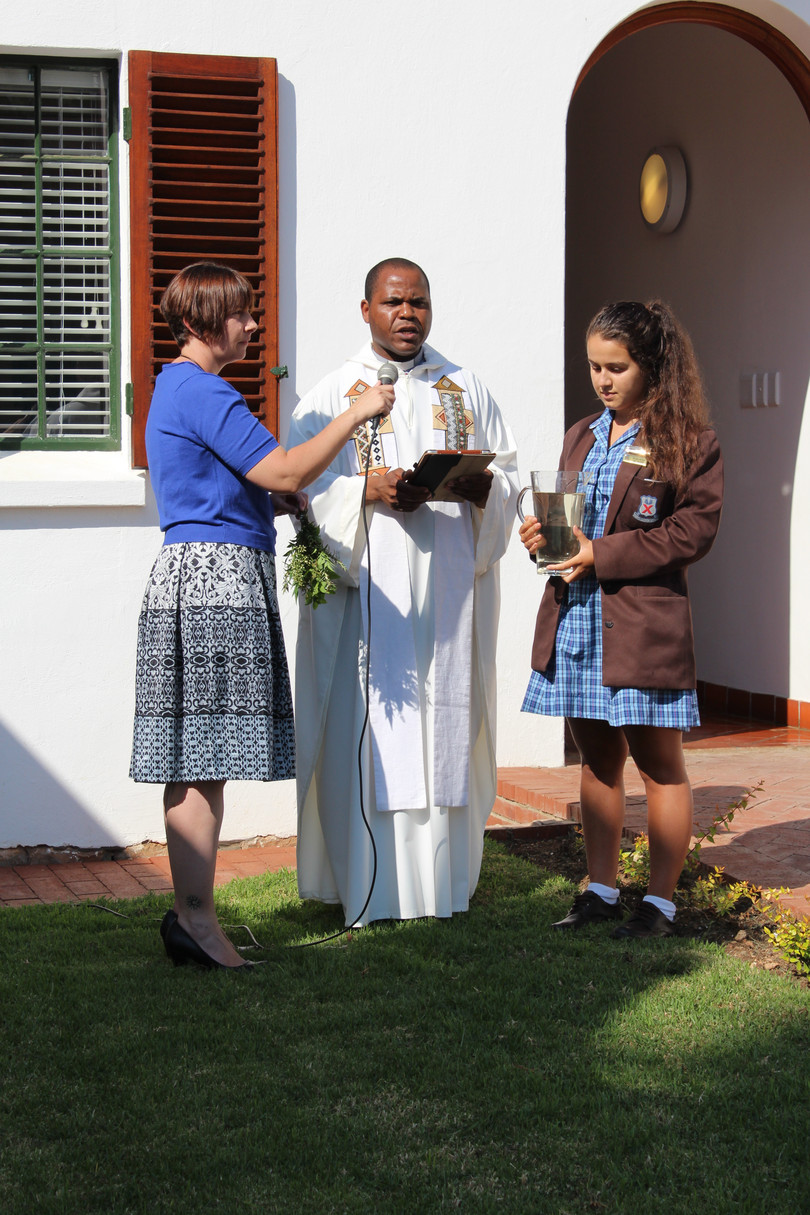
New buildings gallery 1 Rev Moses Thabethe officiated at the dedication of the new Music Centre and the extended squash and gym facilities, 2014
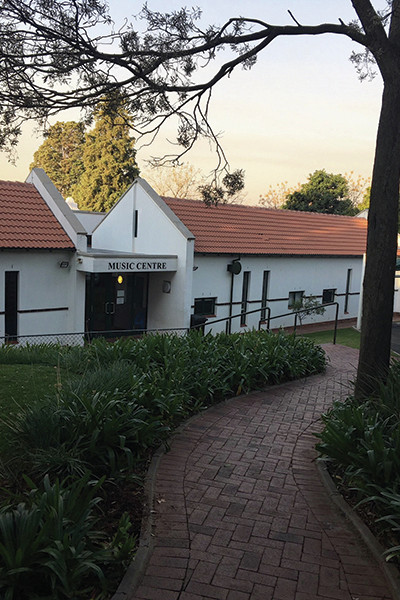
New buildings gallery 2 Music Centre, South Entrance
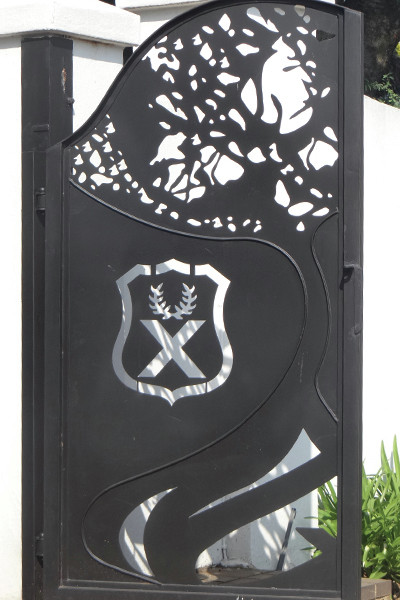
New buildings gallery 3 New gates for the Mary Hunt Quad in the Junior School were dedicated on Founders’ Day, 2016

New buildings gallery 4 The blessing of the renovated Senior School hall by Rev Kathy Barrable, assisted by the Lay Chaplain, Mrs Alison Chambers and head girl, Takudzwa Shava, 2016
While Mrs Pauline Jackson remained involved with St Andrew’s, taking up the role of the educationalist on the board of the St Andrew’s Trust for 2014, she was only able to hold this portfolio for a year due to her new position with ISASA (the Independent Schools’ Association of Southern Africa).
At the end of 2014, St Andrew’s bid farewell to deputy head, Mr Gavin Esterhuizen, when he left to take up an opportunity as head of another school. He had served on Senior School management since 2010. Mr Esterhuizen was responsible for introducing the EdAdmin School Management system across the school. This replaced Pencilbox and other administration systems in use previously.
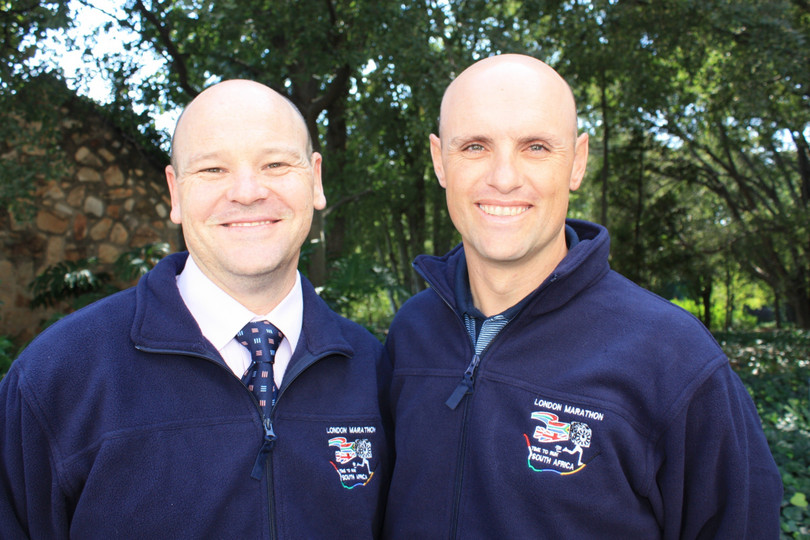
Mr Gavin Esterhuizen (L) and Mr JD Mostert who ran the London Marathon to raise the profile of uBambiswano, 2012

Mrs Mary Terry, long-serving Grade 4 teacher
Long-serving Grade 4 teacher, Mrs Mary Terry, retired after 25 years. She had various leadership roles, including head of Farrar house (renamed Karee house in 2022), head of Grade 4, coordinating the Junior School magazine contributions and joining one of the Mount Kilimanjaro expeditions.

Mr Dave Morris, chairman of the board, 2015–2022
The period from 2014 to 2016 saw many long-term and senior staff members and supporters of the school making way for new faces. Various members of the board of directors and trust members also changed, with some retiring after serving their terms or taking up new positions, including Mr Dave Morris, who succeeded Mr Stuart Thompson as chairman of the board in March 2015.
Head of the Preschool Mrs Petra Scherf Queiros continued to manage her own school, located in Wordsworth Avenue, Senderwood and St Andrew’s Preschool until the end of 2015.
Mrs Lee Milner then took over as head of the St Andrew’s Preschool in 2016. Mrs Milner has since overseen many new developments, from increasing the number of extra-mural activities, to restructuring the aftercare facility, providing holiday clubs and creating a beautiful library.

Mrs Lee Milner was inducted as head of the Preschool by Rev Errol Dengler on Founders’ Day, 2016
During 2015, the school invested in expanding the Senior School hall, installing a generator to serve selected areas of the school, and upgrading the IT infrastructure to support using iPads in the classroom. St Andrew’s also achieved the Diamond Decade award from the WESSA Eco-Schools programme in recognition of 10 years of dedication to the programme.
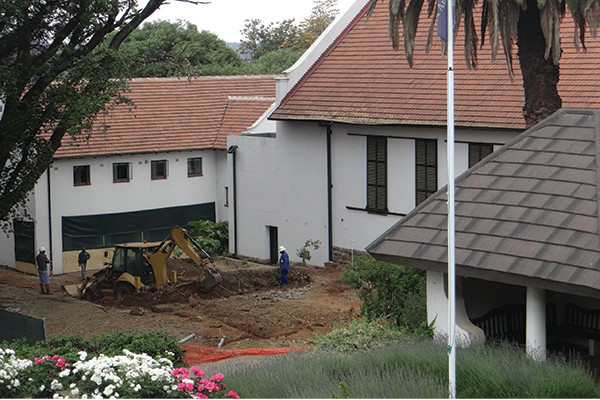
October 2015 Clearing the site for the Senior School hall extension
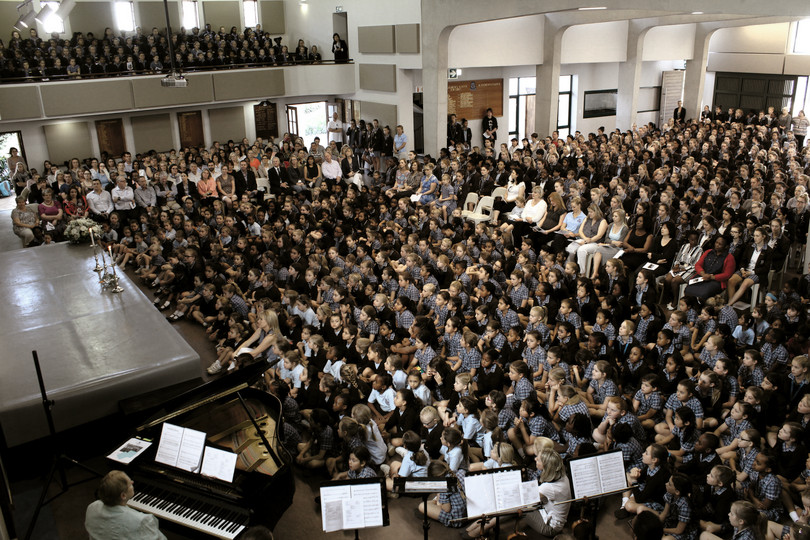
The whole school assembled for the blessing of the renovated and extended Senior School hall on 7 October 2016
Becoming an Eco-School
In 2016 St Andrew’s celebrated 10 years of being recognised as an Eco-School. In 2005/6, a group of staff members had identified an important opportunity for St Andrew’s to become part of the Eco-Schools programme to help it continue engaging with the natural world with integrity.

Raising the Eco-School flag in 2007
Eco-Schools is an international programme designed to encourage curriculum-based action for a healthy environment. It focuses on topics related to the environment, such as sustainability, energy, resources and biodiversity, and schools are required to continue developing their environmental portfolio in order to retain their membership status each year.
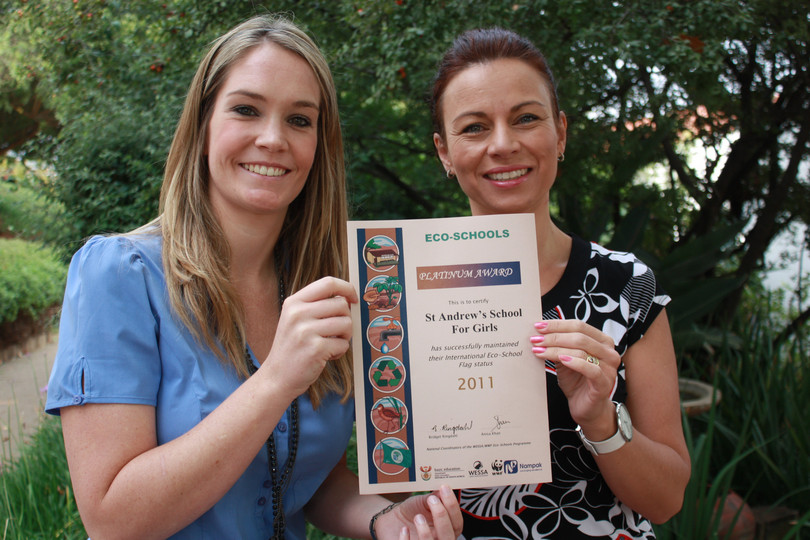
Junior School staff, Ms Claire Button (L) and Mrs Natasha Williams proudly display the Platinum Award certifying that St Andrew’s School for Girls had maintained their international Eco-School status, 2011

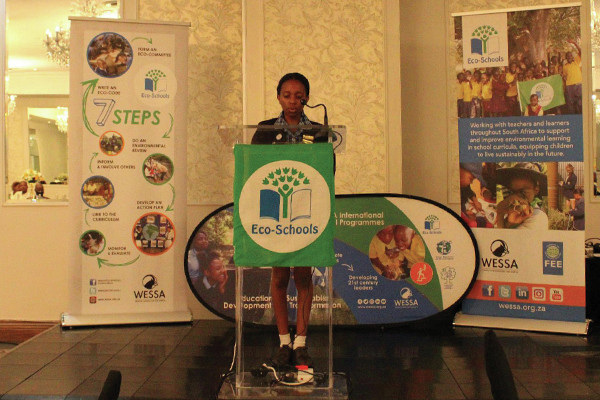
Grade 6 pupil, Tshegofatso Moriri, speaking at the WESSA awards ceremony in 2022
The curriculum component of the Eco-Schools initiative raises awareness about environmental and sustainable development issues and encourages action linked to different curriculum learning areas.
The action aspect of the programme encourages learners to take an active role in running their school for the benefit of the environment. It guides school communities to take responsibility for issues that relate to their surroundings.
The community portion extends learning beyond the classroom and helps cultivate a positive relationship with the environment within the school and wider community.
St Andrew’s Eco-Schools status was an important contributing factor in it becoming a candidate school in the Round Square network in 2020.
Junior School head, Mrs Bev van Niekerk, who was instrumental in both the Eco-Schools and Round Square accreditation processes, says she is very proud of St Andrew’s commitment to the environment and that its Eco-Schools affiliation shows that “we walk our talk”.
Organisational restructuring
One of the biggest changes of this period came about in 2016, when the board decided to reorganise the management structure of the school, separating the roles of executive head and head of the Senior School, which had previously been combined.
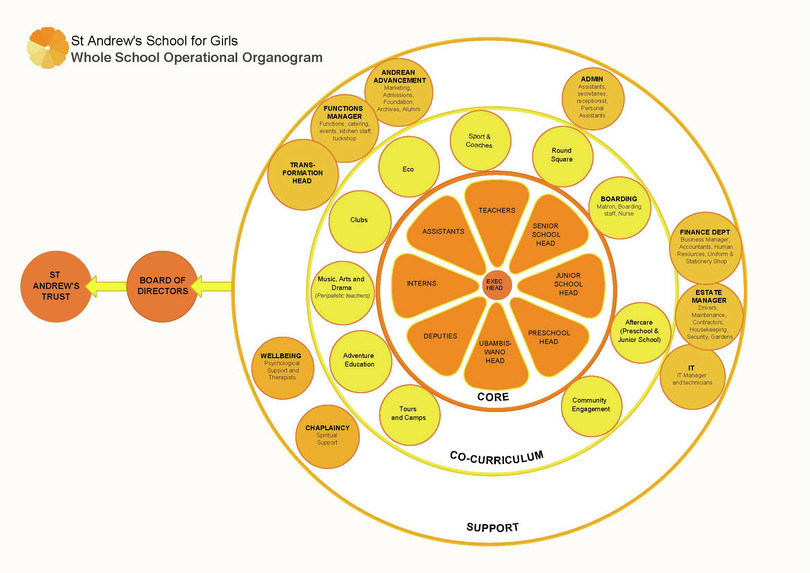
Organogram of management structures at St Andrew’s School for Girls, 2022
“This decision was taken in the best interests of the girls to ensure the Skilled for Life product of the school is not compromised,” Mr Morris explained. “The executive head, while having oversight of [all] the schools and accountability for the quality of the [whole] school, also has the time-consuming and key responsibility of helping to craft and deliver our response to challenges and threats.”
These challenges included turmoil in South Africa around access to education. This ongoing issue came to a head with the #Feesmustfall student-led protest movement in mid-October of 2015. Other challenges Mr Morris alluded to were the growing complexity of managing schools in the age of social media, and the difficult economic and political climates.

Mrs Karen Symons, acting executive head in 2016, was the guest of honour at the Senior School Speech Night, the first in the extended Senior School hall
Ms Burger had steered the school through these choppy waters for two years, but she and the board came to the agreement that the position of executive head was not a good fit for her. She tendered her resignation, and in 2016 Mrs Karen Symons – head of the Junior School at the time – stepped into the role of acting executive head. Her steady hand guided the school through a challenging year until the new structure had been determined and could be fully implemented.
In recognition of her service to the school, Mrs Symons was awarded the Rotary Trophy in 2016. “The Rotary Trophy is an award that is designed on the Rotarians’ primary motto of ‘Service above Self’. Mrs Symons is a firm believer in teamwork and this was evident in everything she did at St Andrew’s,” Mrs Bev van Niekerk wrote for the St Andrean in 2016. “Mrs Symons’ contribution to our school went way beyond what we saw every day. Her contribution enriched lives, touched hearts and enlightened minds.”
At the end of 2016, Mrs Symons left St Andrew’s. Mrs Ivanka Acquisto took up the newly defined position of executive head in May 2017.
Adapting as education evolves
Digital transformation has affected every area of life, and education is no different. St Andrew’s has always sought to embrace technology and was an early advocate of digital education tools, from SMART Boards and iPads in the classroom, to using social media for marketing purposes and building the Andrean community online.
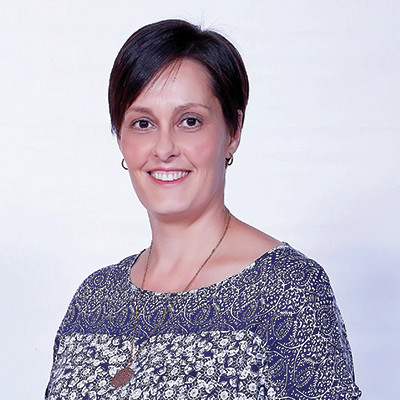
Mrs Claire Pattle, head of the Andrean Advancement department from 2014
Mrs Claire Pattle served in various roles at the school, initially as a member of the sports staff, later as a teacher and department head for computer applications technology, and on the management team as a Senior School deputy head. Her organisational and IT skills made a significant contribution to the school’s operational efficiency, especially with regard to calendar planning and communications. In 2014 she was appointed head of the fledgling Andrean Advancement team.
“St Andrew’s is an amazing place! You don’t realise until you leave that it is part of your soul.” Claire Pattle, St Andrew’s staff member, 2000–2015
The school has consistently invested in technology systems, infrastructure and training, working to maximise the opportunities that digitisation can yield. However, technology also brings challenges. For example, along with the many positives that social media offers comes the potential for the rapid spread of misinformation; along with the benefits of cloud technologies come increased cybersecurity and privacy risks. These all add complexity to the running of a school.
Contributing to this increased complexity are other issues, such as expanding regulation and compliance burdens, socioeconomic pressures and shifting expectations around education and educators. Mr Morris makes the point that the skills required to manage a school today are different to those required 30 years ago. While the head of a school has always been expected to have a solid foundation in teaching to oversee curriculum development, historically, they were not necessarily expected to be equipped to deal with things like legal issues or external stakeholder management.
The St Andrew’s board recognised that successfully and sustainably managing the school for the future would require a broad range of skills. During 2016, the board came to the conclusion that it would be almost impossible for one person to not only have all these skills, but also enough time in their day to thoroughly address both educational and management issues.
A new management structure was implemented, splitting the roles of Senior School head and executive head. This allows the Senior School head to focus on the day-to-day running of the school, while the executive head plays a strategic role across the school as a whole.
“Ultimately, all the work we [the St Andrew’s community] do is to ensure the school is sustainable in all ways. What makes the school sustainable is that it’s going to be relevant in society. If a school isn’t relevant, it’ll never survive.” Dave Morris, chairman of the board, 2015–2021
Staying true to St Andrew’s soul
As much as St Andrew’s has pioneered girls’ education in South Africa and worked to remain relevant, it has strived to maintain its values, important traditions and links with the extended Andrean community.
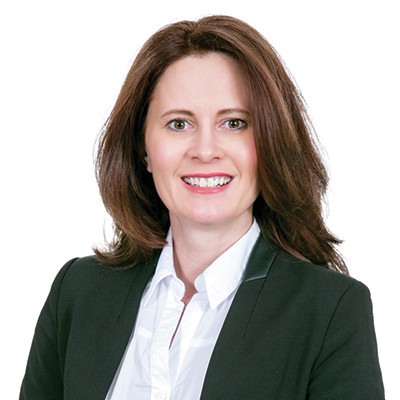
Mrs Caterina Cannone, who was appointed manager of admissions in 2022
“As a parent, a teacher, and an admin staff member, I have seen many facets of the school, and the same things are consistent throughout – compassion, kindness, gentleness. There is a spirit of acceptance and forgiveness, which allows all girls to belong; and the Christian ethos accepts that we are all fallible, yet are still loved and valued,” says Ms Caterina Cannone, who has held several roles at the school, from being a Grade 5 teacher to being the Junior School librarian and now managing admissions and the Heritage Foundation.
“People often speak of the school’s ‘soul’ – that there is something very special at the core of this institution. It’s hard to label it because it’s a feeling more than a physical attribute; however, many aspects contribute to this. From the heritage buildings to the magnificent gardens, the timeless traditions, the dedicated teachers, the security officers who greet you at the entrance with cheer and dance, the famous scones, the Old Girls’ network which reaches out to those in need, the community engagement which fosters philanthropy, the house spirit which envelops the girls as a family, the many opportunities provided for girls to explore and discover and achieve, and the way the girls cheer for others’ successes, to name but a few,” she adds.

Samhaa Seedat, head girl in 2015
Samhaa Seedat, head girl in 2015, says that the secret to the longevity of St Andrew’s is evolution and revolution. “The St Andrew’s of 1902 would not have a place in the modern world. Likewise, the St Andrew’s of 2022 cannot expect to have a secure role over the next 120 years without us driving change (from without and within). We are obligated to take up a meaningful role in broader society. Our school as a whole must reflect the values which we strive to have each pupil embody,” she says.

Mrs Anna Surmon, best known as the admissions manager until 2021
Mrs Anna Surmon, who has been involved in St Andrew’s as a parent, and from 2007 as a staff member, later becoming the admissions secretary, says she’s always found St Andrew’s to be a caring environment. She believes its secret to longevity is the resilience of the community and the willingness of everyone to get things done, working together for the best outcome.
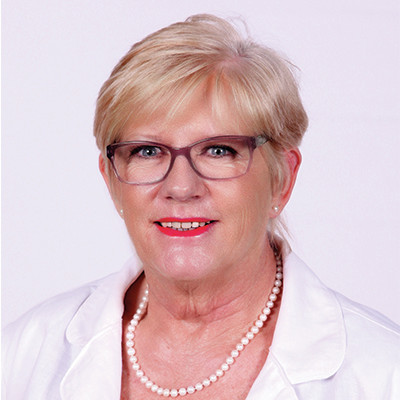
Mrs Noëlle McCann, who served as personal assistant to five heads, 2015
As the personal assistant to five heads at St Andrew’s, Mrs Noëlle McCann has witnessed many changes at the school. She says that the balancing of tradition and adaptability have kept the school going for 120 years.
Spirituality at St Andrew’s
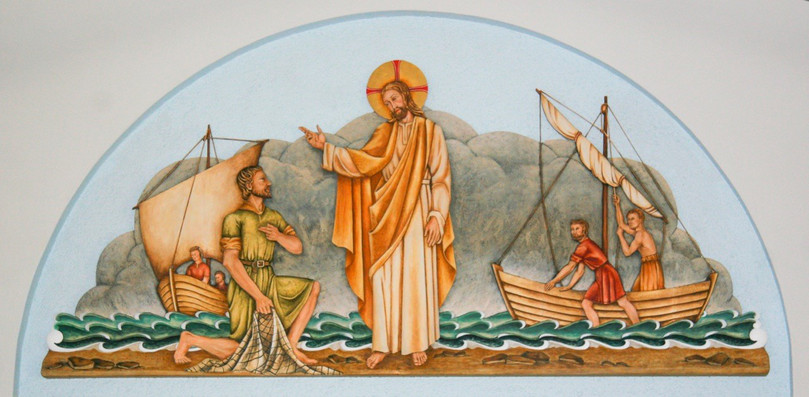
Chapel artwork depicting the calling of St Andrew by Francis Stephens, later Rev Stephens. The artwork was restored in 2021 by Mr David Hadaway
As part of enriching the “whole girl”, St Andrew’s gives due emphasis to the spirituality of its girls and staff. St Andrew’s School for Girls is a Christian school. In appreciation of its social and cultural diversity as a South African educational institution, it also welcomes and respects staff and students who are believers of different faiths and denominations.
The school has been associated with the Anglican Board of Education since 2018, and hosts weekly chapel services, as well as commemorating annual events as a community, such as Founders’ Day, Ash Wednesday, Mothers’ and Fathers’ Blessings, Harvest Festival, and gratitude, remembrance and Christmas carol services. Many staff and Old Girls recount fond memories of chapel services and many Old Girls’ events have included sessions with now-retired music teacher Mrs Rosey Maritz who would play all their old favourite hymns and school songs for them to sing along to in the chapel after the official proceedings were done.
Rev Alison Thabethe is a priest in the Anglican church and formally became the chaplain at St Andrew’s in January 2020. She first joined the school as an English teacher in 2003 and was always interested in the spiritual aspect of whole-girl education. Some time after Mrs Les Munks retired in 2007, Rev Thabethe (then Mrs Alison Chambers) took over the coordinating of guests to speak at chapel services.
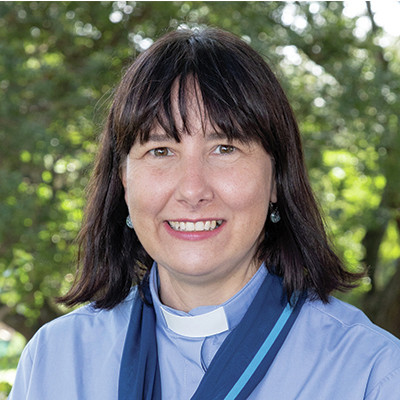
Rev Alison Thabethe, the school chaplain, 2022
I think spirituality is a fundamental part of the human being,” she says. “When we speak about development, which is one of our strategic visions, or when we speak about skills for life, I don’t think spirituality is really a skill, but you can equip people and help them to awaken that part of themselves and recognise the benefits of feeding that part of themselves.”
Her duties became more complex as the school enlarged and the chapel became too small to accommodate all the students. A second service was held in the auditorium at the same time and speakers were required for both venues. Rev Thabethe says a range of people from various denominations and faith-based organisations was invited, but it grew difficult to source speakers for both venues. Mrs Pauline Jackson encouraged her to lead the auditorium services herself. Services were split by grades or by houses, with services in the chapel retaining a traditional format, while those in the auditorium were more contemporary.
From around 2010, Rev Thabethe began to explore a calling into ordained ministry. It has been a long journey to her ordination as a deacon in the Anglican Church in December 2019 and then as a priest in 2021.
Rev Thabethe says the school endeavours to uphold both its Christian values and ethics and every individual’s right to their own faith. Her advice to the girls is, “You need to be a filter, not a sponge.”
“We try to equip children – to get the girls familiar with different styles of worship even if it’s with the goal of being to say, ‘That’s not for me and that’s fine, but I’m not judging someone, and I’m not totally uncomfortable in that space,’” she says.
St Andrew’s houses
Mrs Gill Jeffrey says that one of the biggest changes for her when she first came to St Andrew’s from another school was the house system. While school houses are a feature of most schools, they tend to focus on grouping students to compete in inter-house events. The St Andrew’s approach, which she describes as being “about the whole child” is not often seen in girls’ schools.
“Within our four St Andrew’s houses, the housemistress [in the Senior School] oversees girls from Grade 8 to Matric within their house,” she explains. “That’s approximately 100 girls of varying ages. They meet every week, once a week.” Registration takes place in tutor groups at the start of each school day.
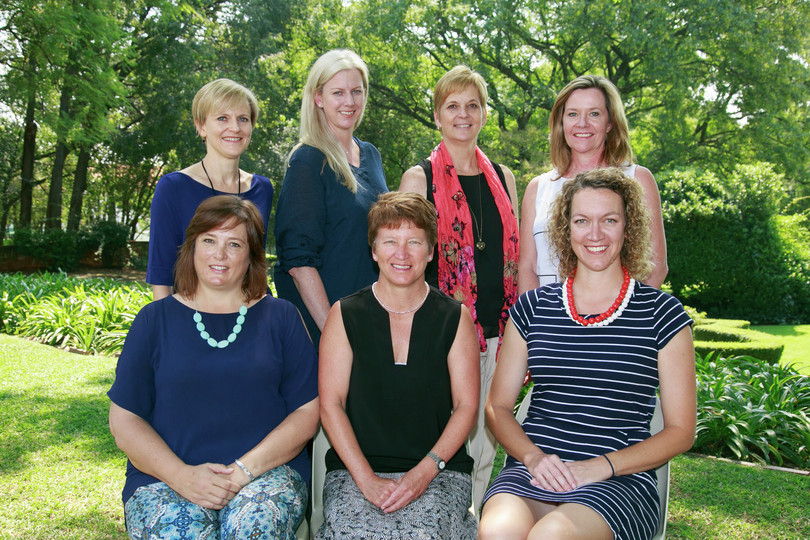
Senior School housemistresses with the heads, 2016
Back Row L–R: Mrs Patricia Wood (Milner House), Ms Catherine Warrender (Athlone House, term 1), Mrs Terry Bulloch (Selborne House), Mrs Angela Yatt (Farrar House)
Front Row: Mrs Gill Jeffrey (Senior School headmistress), Mrs Karen Symons (acting executive headmistress), Ms Hanneke Roux (Athlone House, from term 2)
House meetings are a space for girls to enjoy leadership opportunities, to interact across grades and for announcements to be made. Mrs Jeffrey says they are also a platform for caring for girls emotionally, academically and mentally, and helping individuals going through a rough time.
“The head of house plays an important role in those girls’ lives and they are also part of the school’s middle management, so they are part of the decision-making process,” she says. “Your house is a place of belonging, where we hope you will have a sense of being seen.”

Ms Kathryn Muir, school psychologist, 2003–2015
Ms Kathryn Muir, who was the school’s psychologist for over 12 years from 2003 and who helped establish and run the Therapy Centre, says the house structure is key for providing mental health support to girls. “It can be a very powerful way of identifying problems or difficulties early on,” she explains.

Amy Ma, Class of 2019
Many St Andrew’s Old Girls have fond house memories. “My favourite memories are of the times I spent with my friends before the start of formal end-of-year events and house events,” says Amy Ma, who matriculated in 2019.
“I loved being the head of Athlone house [renamed to Acacia house in 2022] and the team spirit and passion within the house,” says Diana Hobson (née Noble, Class of 2000). “I loved the inter-house gala, hockey matches, athletics, music competition and annual house supper.”

Form V Athlone in 2000
Back Row L–R: Daniella Frankiskos, Debbie Sherwood, Lara Hatchuel, Lindi Bailiff, Muchero Nyazema, Philippa Jarvis, Delina Manzini
Third Row: Khethiwe Nyembe, Alicia Brink, Leigh Martindale, Vanessa Saker, Candice Mitchell, Caryn Howie
Second Row: Gugu Dube, Lynne Seaman, Lisa Spencer, Bronwen Howes, Harsha Gordhan
Front Row: Michelle Thompson, Diana Noble (head of house), Mrs Hélène Heyns (housemistress and tutor), Judy Maskew (deputy head of house), Samantha Timcke
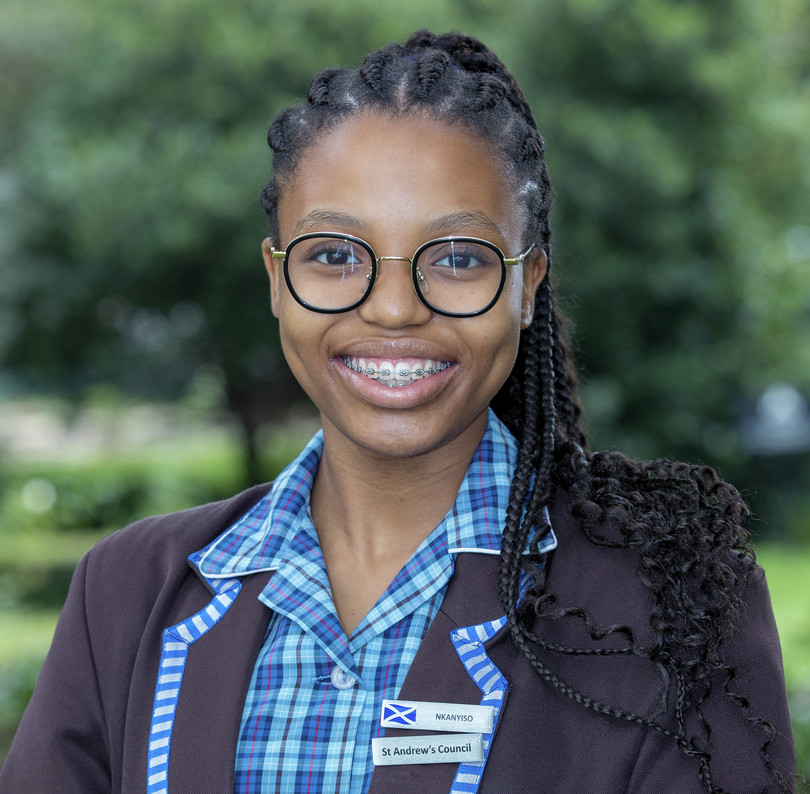
Nkanyiso Dlamini, Class of 2021
Nkanyiso Dlamini (Class of 2021), who spent 13 years as a pupil at St Andrew’s, says she has two favourite memories of her time at the school: “In Junior School, it was definitely aftercare on the old 2000s playground. In high school it was every house supper!”
The goal of creating a sense of belonging and a support system is woven into many of the structures at St Andrew’s, from the house system to staff events, the tutor system and the Old Girls’ Association.
The Old Girls’ Association
![]()
The St Andrew’s Old Girls’ Association is a registered public benefit and non-profit organisation. It works to further the ambitions of the pupils of the school, to foster and maintain the interest of alumni in the ongoing work and life of the school, and it fundraises to assist generally with education and development relating to the school.
![]()
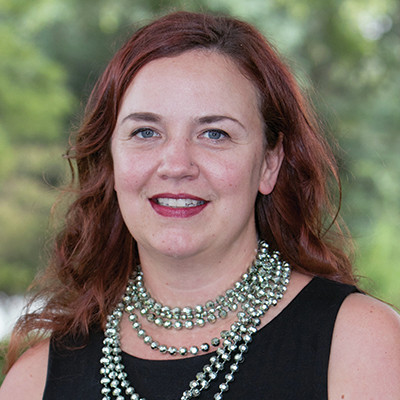
Mrs Nicola den Hond (née Eatwell, Class of 1997)
“We host reunions and events; we try to support businesses run by Old Girls; we’re interested in the heritage of the school; and where we can we provide funds for bursaries,” says Mrs Nicola den Hond (née Eatwell, Class of 1997), current chair of the Old Girls’ Association and its representative on the St Andrew’s and Heritage Foundation boards. “We communicate with the alumni group and celebrate successes and encourage fellowship amongst peers. We try to provide support to members in different phases of their lives, whether they’re in university or need a friend where they are or where they’re [going]. We’re also ambassadors of the school and encourage people to bring their children to the school.”
She says the Old Girls’ Association’s network opens the door to many opportunities. The association also records special events for posterity and has representatives on the board and trust to make sure that the ethos and the heritage of the school are upheld.
The Old Girls’ Association has approximately 4 000 members recorded, spread across the world, and actively communicates with them through social media, email and events throughout the year. To find out about joining the Old Girls’ Association, benefits of membership, updating personal details and how to get involved with events or initiatives contact the association through the school website.
![The Old Girls’ Association
:]()
The Old Girls’ Association
OGA gallery The Old Girls’ Association
![]()
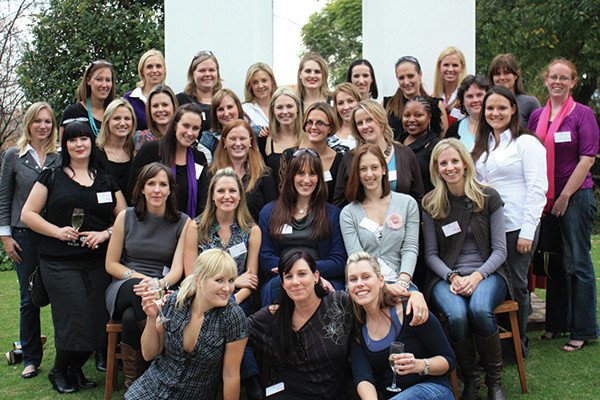
OGA gallery 1 Class of 2000 at the Old Girls’ Association reunion of 2010
![]()
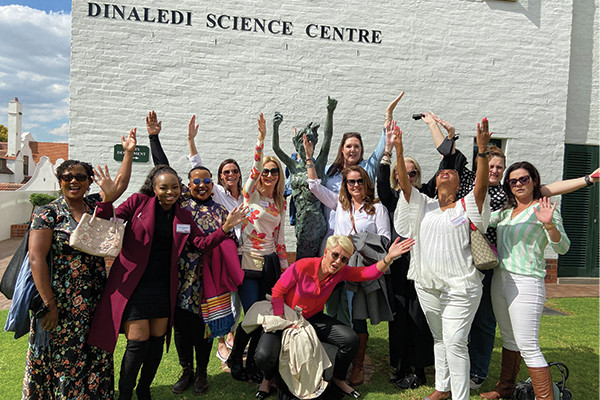
OGA gallery 2 Group of Old Girls at the grand reunion of 2022 when matriculants from the 0-1-2 years were invited as there could be no reunions in 2020 or 2021, due to COVID-19 restrictions
![]()
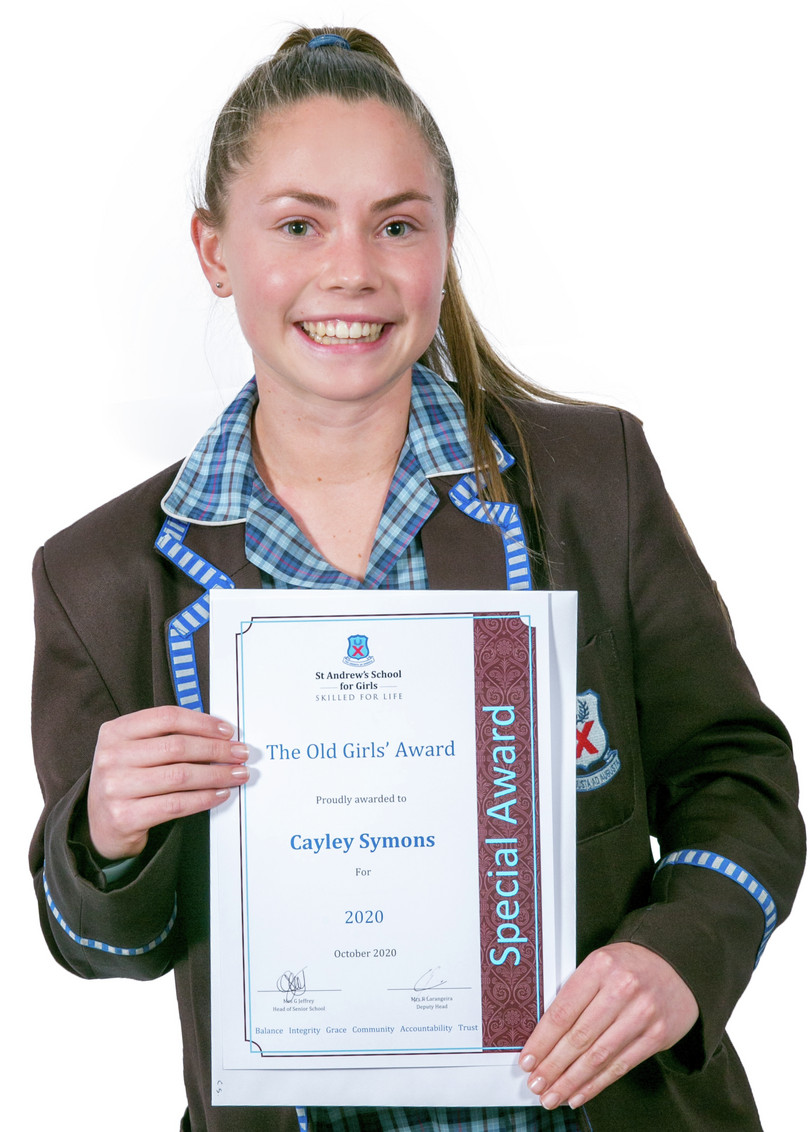
OGA gallery 3 Cayley Symons, presented with the Old Girls’ Award at Speech Night in 2021
![]()
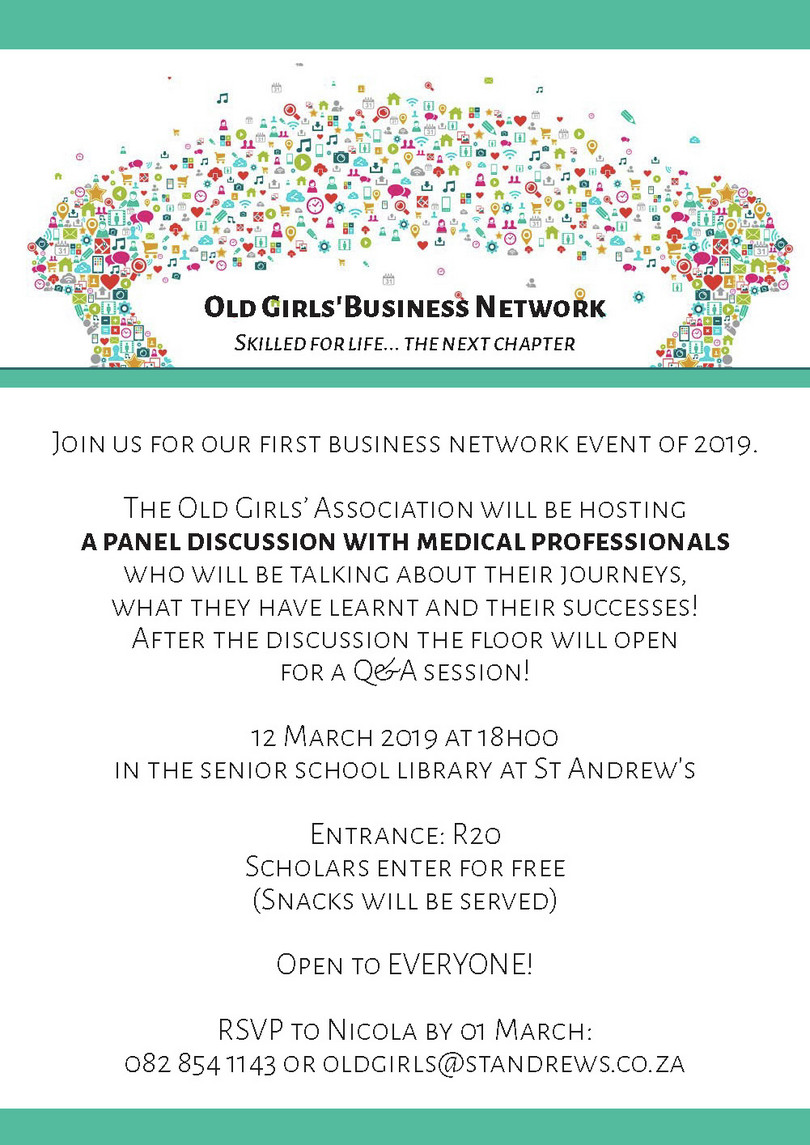
OGA gallery 4 2019 business network invitation

![]()
OGA gallery 5 Chapel kneeler project of the Old Girls’ Association which started in 1998

![]()
OGA gallery 6 Old Girls’ Association sterling silver pendant designed by Alex Hyslop (Class of 1995). The 120th anniversary edition of the pendant has a topaz stone at the top of the circle as shown

![]()
OGA gallery 7 2019 Golf Day invitation
Support for staff and girls alike
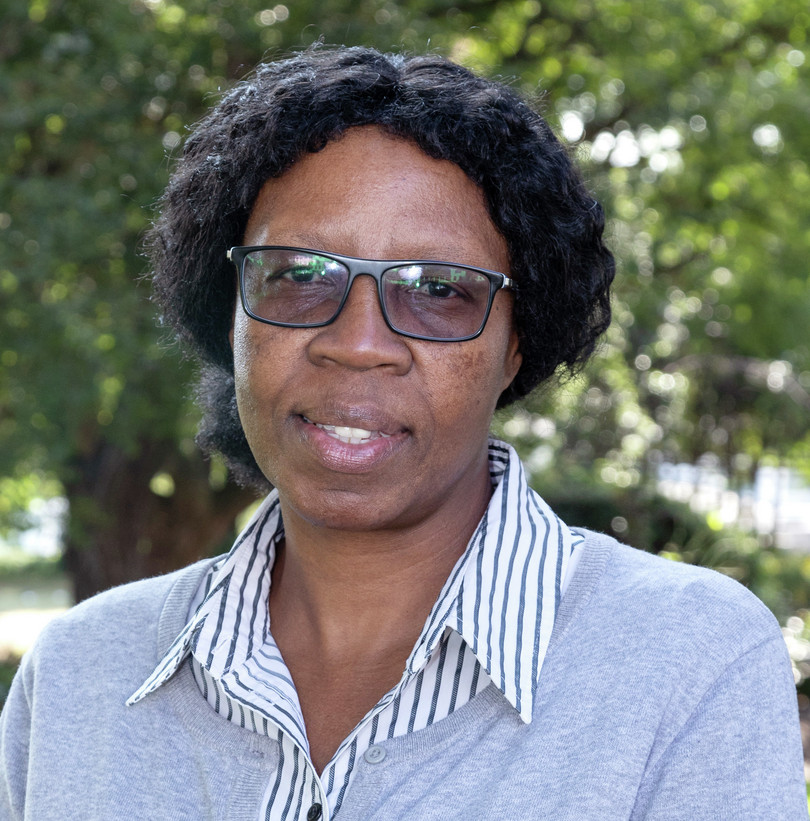
Mrs Busisiwe Maikeco, head of the isiZulu department
Mrs Busisiwe Maikeco has been teaching isiZulu at St Andrew’s since 2001. Her own daughter attended the school, from the Preschool through to Matric in 2019. Mrs Maikeco says she works hard to create an empathetic and supportive classroom environment.
“Everyone has a right in the classroom to express how they’re feeling,” she says. “I give them that opportunity.”
She has even implemented a “community service” system in her classes, where girls who have a stronger grasp of the subject partner with those who are struggling.
One of her favourite parts of the school is the house tutor system. Girls in each grade are assigned to a teacher as their tutor for the year. They handle various administrative tasks with their grade every day, from taking attendance to giving notices, but they also play a much bigger role. They mentor and have weekly sessions with the girls where they can spend time working through challenges, encouraging bonding and building confidence.
“Being a tutor is the best interaction you can have with girls,” she says. “It teaches you a lot of skills like, patience, listening, and humility. You become a different person because you have these beautiful souls in front of you who are all different, so you have to understand and accommodate everyone and make everyone feel part of the group.”
She believes this spirit of community extends beyond the relationship between girls and staff to include friendships and support between staff members. From hosting baby showers for colleagues to having childcare available onsite for the staff’s own children and working together to see how to help a child or a family going through a rough period, there is genuine connection and care between the St Andrew’s members of staff.
Therapy Centre
As part of St Andrew’s ongoing commitment to caring for and educating the whole girl, it hosts a multidisciplinary therapy team. When Ms Kathryn Muir joined the school as a psychologist in 2003 there were different therapy and support services available in various capacities across the school, but over time as the team grew and the school saw ways to offer additional support to girls who needed it, it developed into a fully-fledged multidisciplinary team that is situated in a centralised Therapy Centre. Here, girls can access speech therapy, occupational therapy, physiotherapy, remedial teaching support and psychological services.
It was a real privilege to grow that department, which started off quite small and a little bit disjointed. Over time, we were able to build a therapy centre so that everybody could be working in one space,” explains Mrs Muir.
She adds, “The multidisciplinary team was a phenomenal group of women… they would always go the extra mile to try to figure out how to help a child. It was never just the speech therapist doing her thing, or the occupational therapist doing her thing. We really worked together.”
The development of the centre wouldn’t have been possible without the incredibly supportive Junior School and Senior School heads who have advocated for investment into the facilities over the years. Former St Andrew’s estate manager Mr Allan Groenewald and his team were very involved in ensuring that equipment like the swings used for occupational therapy and the sensory integration tools were properly installed when the centre was first set up.
The Therapy Centre is a noteworthy example of the culture of St Andrew’s, where there are high standards and people strive for excellence, but not at the expense of others. “I felt the heads at St Andrew’s really wanted to support children,” says Ms Muir. “There was very much a sense of care: it was a supportive community both among staff and the students.”
Staying centred on the girls
Despite the fact that there were many changes from a staff and management perspective between 2014 and 2016, as well as external pressures on the school, St Andrew’s remained focused on providing a stable and safe environment for its pupils and charting a course through the challenges to secure its future.
“My best memory of St Andrew’s is being in boarding school with my best friends,” says Molly White, (Class of 2014). “We would always take ‘the long route’ back from dinner, and walking through the beautiful grounds at sunset with my best friends was often the highlight of my day.”
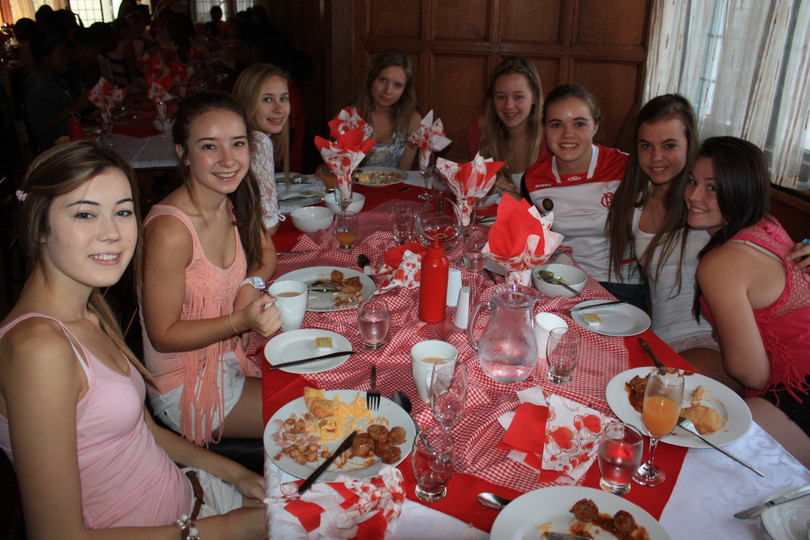
Boarders Valentine’s Day breakfast in 2013
L–R Kirsten Wills, Sarah Brown, Annick Foxton, Megan Booysen, Saskia Wypkema, Robyn Fyvie, Megan Bouw, Molly White
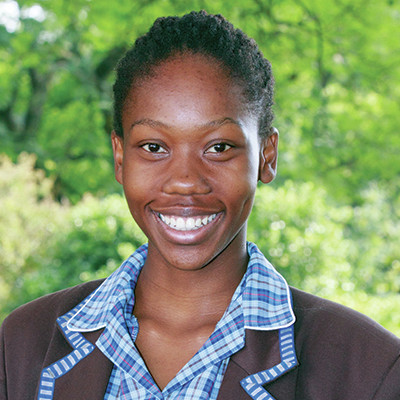
Jabulile Nkuta, deputy head girl in 2016
“My favourite St Andrew’s memory was the day they announced us as head girls. In my head, I never thought it would have been me. But Mrs Jeffery went through all the comments the girls had jotted for this person, and in my head, I was like, ‘This person seems pretty lekker.’ They said my name and I was in pure shock. I had my grade shouting and standing on chairs and my friends next to me had to remind me to stand up and go on stage. It was an unbelievably proud moment. I had been chosen by the school to lead them and if I had to tell the very scared Grade 5 I once was that this would be her one day, I would have laughed. For a long time, as a scholarship girl, I felt I wasn’t enough. But that day I really got to believe that I was more than enough.” Jabulile Nkuta, deputy head girl, 2016
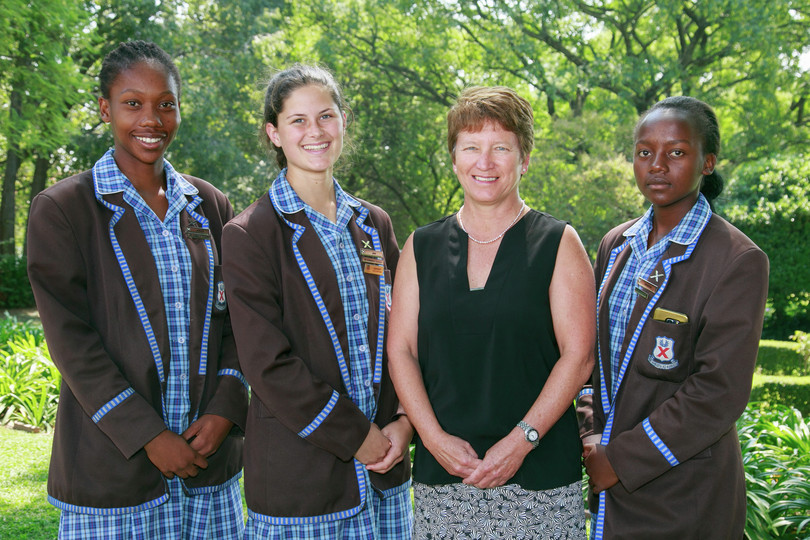
Senior School student leaders with the acting executive head, 2016
L–R: Jabulile Nkuta (deputy head girl), Jessica Wrensch (deputy head girl), Mrs K Symons (acting executive head), Takudzwa Shava (head girl)

Mr Gary Kelly, 2017

Kieran Allcock, Class of 2015
Kieran Allcock (Class of 2015), says her favourite memory was winning the St Andrew’s Netball Festival in 2014. “Mr [Gary] Kelly [our coach] couldn’t shout at us anymore because we’d finally done it!” she jokes.
“What I loved most about being a St Andrew’s girl was feeling like I was part of a beautiful legacy, knowing that so many girls had gone before me.” Kieran Allcock, Class of 2015

Winning team at the St Andrew’s Netball Festival, 2014.
L–R: Demi Tromp, Tayla Linaker, Tshilidzi Makhuvha, Kieran Allcock, Teri McAlpine, Takudzwa Shava, Anati Gxumisa, Natalie Githu, Verushca Labuschagne, Karabo Makete
Front: Lesego Mtsolongo (captain)