1902 to 2000 The Story Thus Far
- 1902 St Andrew’s High School for Girls and Kindergarten opens its doors
- 1904 The school moves to Girton Road in Parktown
- 1920 Miss Jean Fletcher and Miss Jessie Johnston part ways
- 1921 Miss Fletcher opens the school on the Bedford Farm property
- 1922 Miss Fletcher dies tragically whilst in England
- 1923 Parents form a company and appoint Miss Caroline Cheetham as headmistress
- 1977 The History of St Andrew’s is published
- 1995 Mrs Allison Gunning appointed head
- 2002 The Golden Spoon is published
Overview
The St Andrew’s story officially began on 22 January 1902, when two courageous and enterprising women of Scottish descent, Miss Jean Fletcher and Miss Jessie Johnston, opened a school for girls in the fledgling city of Johannesburg. The original St Andrew’s High School for Girls and Kindergarten was housed in two semi-detached buildings on Esselen Street, Hospital Hill.
After just one year at these premises, under Miss Fletcher’s dynamic leadership and with the influence of Miss Johnston’s scholarly prowess, the school had become so popular that it outgrew the Hospital Hill venue and in 1904 moved into new buildings in Girton Road, Parktown.
It continued to expand and was a well-established institution. However, when the leases on much-needed additional accommodation could not be renewed, the founding headmistresses announced that the school would close at the end of 1920. In the wake of the First World War, differences of opinion between the two also led to the dissolution of their partnership, and Miss Johnston decided to leave for England. Miss Fletcher was left managing the situation until her dream location at Bedford Farm became available, five years after the owner, Sir George Farrar’s, wartime death.
She risked everything to purchase the property and by 1921 had set up a new environment for the school to continue. Tragically, during a visit to England in 1922, Miss Fletcher died, and the school was left without a clear path forward.
Early in 1923, a group of parents stepped in, formed a company, took over the management of the school and appointed Miss Caroline Cheetham as headmistress. Miss Cheetham would go on to lead St Andrew’s until 1945 and set up the foundations for the school and its students to thrive well into the future.
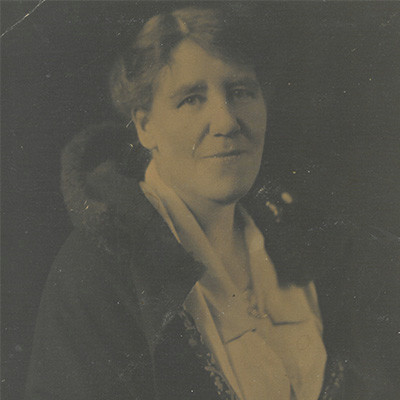
The Heads of St Andrew’s School 1902–2001
Head gallery The Heads of St Andrew’s School 1902–2001
Head gallery 1 Miss Jean Fletcher, founding head, 1902–1922
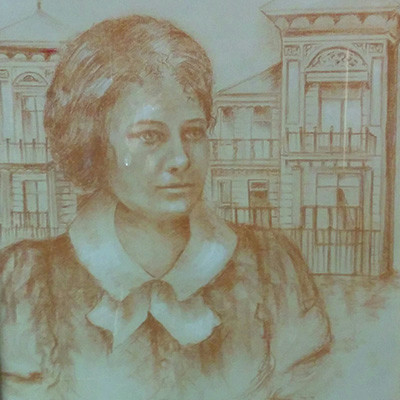
Head gallery 2 Miss Jessie Johnston, founding head, 1902–1920
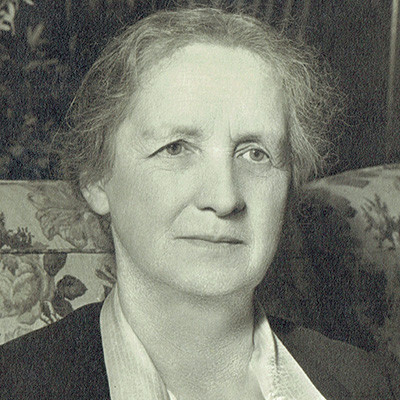
Head gallery 3 Miss Caroline Cheetham, head, 1923–1945
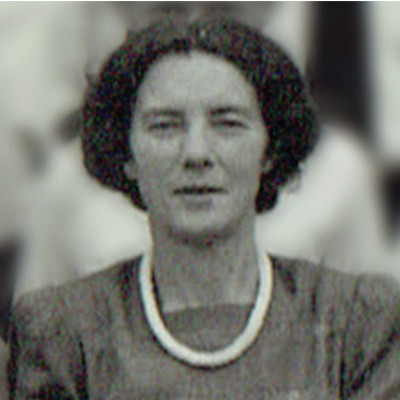
Head gallery 4 Miss Cynthia Pettiward, head, 1946–1948
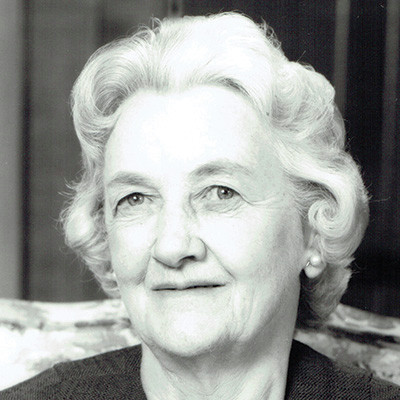
Head gallery 5 Miss Minnie Florence Neave, head, 1949–1970
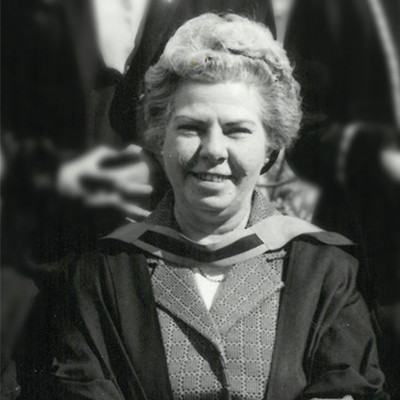
Head gallery 6 Miss Joyce Waudby, head, 1970–1972
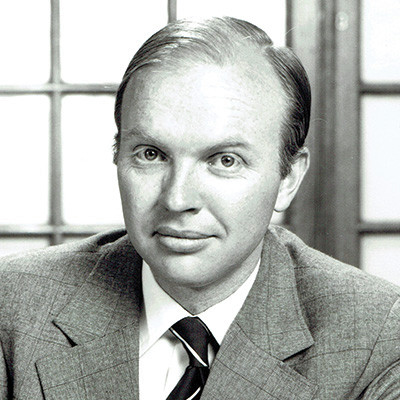
Head gallery 7 Mr Frank Simmonds, head, 1973–1994
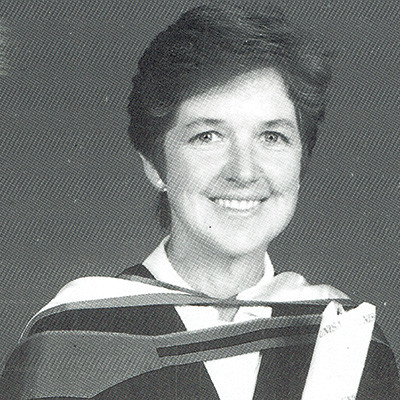
Head gallery 8 Mrs Allison Gunning, head, 1995–2001
The History of St Andrew’s School
The story of the school’s origins and the journey of its first 100 years have been documented in two rich, historically important books. The first book, The History of St Andrew’s School was written by Miss Minnie Florence Neave, who was headmistress from 1949 to 1970. It was produced to mark the school’s 75th anniversary in 1977. The book took her two years of research and a great deal of time and effort to compile. The board at the time did not have the money required to finance its production as a printed work, but Mrs Olive McLean offered to sponsor the publication in honour of her husband, Dr C S McLean, who had been the chairman of the school board for 29 years.
In The History of St Andrew’s School, Miss Neave explores the school’s beginnings and tells the story of the determination, perseverance and vision of Miss Fletcher and Miss Johnston. She then charts its journey under the leadership of Miss Cheetham, Miss Cynthia Pettiward, herself, Miss Joyce Waudby, and the early years of Mr Frank Simmonds’ tenure.
The Golden Spoon
The second book, The Golden Spoon, was a labour of love by former deputy headmistress, Mrs Dorothy Ede, who spent the first years of her retirement researching and writing it. It was released to commemorate the school’s 100th anniversary in 2002.
The Golden Spoon offers some new anecdotes and insights into the school’s early years and celebrates its continued commitment to offering quality education and opportunities to girls under the leadership of Mr Simmonds and Mrs Allison Gunning.
Both The History of St Andrew’s School and The Golden Spoon have since been uploaded in full to the St Andrew’s digital archive.
Enduring legacy
This edition of the school’s history picks up at the start of the 21st century but does not re-tell the stories of the first 100 years as they have already been well documented.
“In this publication, we have endeavoured to cover the history of the school during the first two decades of the 21st century, culminating in the celebration of the school’s 120th anniversary in 2022,” explains co-author Tamara Oberholster (née Coetzee), a former Junior School pupil.
“Our aim has been to bring together multiple voices from across the St Andrew’s community to portray a collective, representative view of the challenges, joys and accomplishments of these years,” says Lindsey Moyo (née Berry, Class of 2004), the publication’s other author. The authors worked under the umbrella of a company called Word Chef.
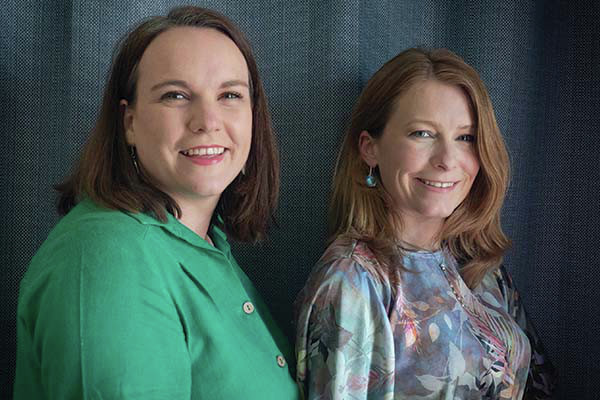
L–R: The Word Chef team: Mrs Lindsey Moyo (née Berry, Class of 2004) and Mrs Tamara Oberholster (née Coetzee)
This publication includes insights from students, teachers, support staff, old girls, parents, management teams, admin staff, and board and trust members. It reflects the enormous depth of the community that contributes to the school’s continued growth and its primary goal of providing a holistic and exceptional education to girls.
From the interviews and conversations that went into creating this publication, it is clear that the pioneering spirit of Miss Fletcher and Miss Johnston endures in the school. This spirit and St Andrew’s ability to adapt continually in order to remain relevant, without compromising on the quality of education and opportunities it offers, have contributed to its sustained existence 120 years after the two women opened its doors.