2003 to 2009 Green Shoots
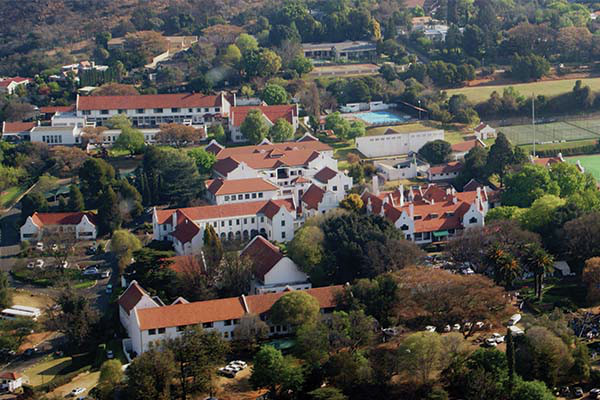
Aerial view of St Andrew’s in 2009
- 2003 Mrs Pauline Jackson appointed as executive head
- 2003 Mrs Sheila Verner becomes deputy head of the Junior School
- 2004 Preschool is started
- 2004 St Andrew’s 10-year-long Interhigh Premier Gala winning streak begins
- 2005 AstroTurf, sports pavilion and new tuckshop built
- 2006 Mrs Anne Gelling and Ms Sue Tasker appointed as deputy heads in the Senior School
- 2007 Mrs Cathy Fry appointed as head of the Junior School
- 2007 St Andrew’s Heritage Foundation is established
- 2009 New boarding house is opened
Overview
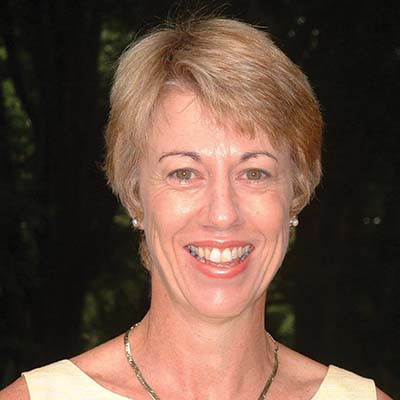
Mrs Pauline Jackson, executive head 2003–2013

Mrs Sheila Verner, Junior School deputy head, 2003–2012
After the tumultuous few years at the turn of the new millennium, the following period at St Andrew’s saw the school settling and then beginning to flourish.
There were several key developments that laid the foundations for future successes. The first was the appointment of Mrs Pauline Jackson as executive head in January 2003. Under her leadership, the St Andrew’s community grew and thrived. Mrs Sheila Verner was appointed deputy head of the Junior School in the same year.
The Preschool was established, major events were hosted, the school’s sporting facilities and prowess received a boost, and the Therapy Centre and new boarding house opened, among other things.
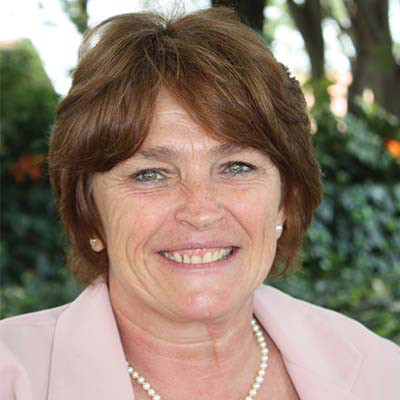
Mrs Cathy Fry, Junior School head, 2007–2011
In 2007, St Andrew’s celebrated its 105th anniversary and Mrs Cathy Fry was appointed head of the Junior School, where she served until 2011.
The management of the Senior School was expanded on Mrs Jackson’s recommendation and was able to implement her vision for the school including the Skilled for Life programme. This grew to become an integral part of the offering across the whole school. In 2008, the school marked 20 consecutive years with a 100% Matric pass rate.
Mrs Heather Jayes, one of the longest-serving staff members in St Andrew’s history, retired in 2006, after 34 years of service to the school, having acted as a personal assistant to five school heads in her time.
“Heather, if anyone understands multi-tasking and flexibility, it’s you. Writing ability, patience and helpfulness with a parent or business person on the telephone, screening, handling matters for staff, listening to teachers, putting on plasters, modelling at Grandparents’ Day, functions, tours, reports, diaries. Your job description is endless – fellow heads asked me, have you found another superwoman yet? It sums you up. What needs to be stressed is that this has happened for 34 years with consistent professionalism, confidentiality, a great sense of humour, and the appearance of ‘all is well in the world’ no matter what your world was like at the time. That takes courage… You have earned a lasting place in our hearts and in our history.” Pauline Jackson, executive head, 2003 – 2013
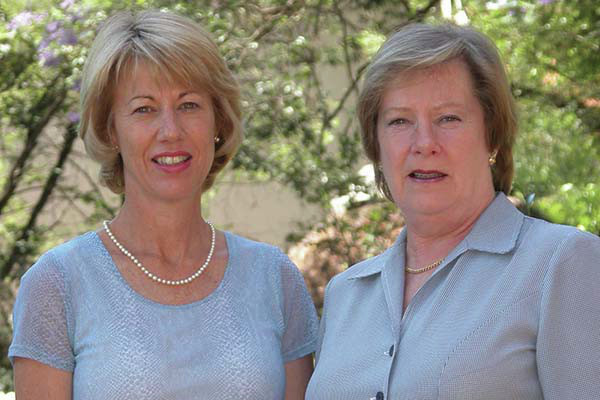
L–R: Mrs Pauline Jackson and Mrs Heather Jayes, 2006
The years from 2003 were busy, daunting, and exciting, and the school managed to pack huge growth and change into this period.
Setting the tone from the top
Mrs Jackson’s arrival as executive head at St Andrew’s is said by many who were part of the school community at the time to have brought about a golden era in its history.
Mrs Jackson pays tribute to the excellent management teams with whom she worked. These staff members navigated the policies and legal requirements affecting schools, promoted the use of IT in the classroom plus designed and launched the Skilled for Life programme while still focusing on the personal development and learning of the students. However, it was Mrs Jackson’s strength of drawing people together and releasing them to achieve their own potential that left such an indelible mark on the school during her headship.

The Combined Management Team of 2008
L–R: Mrs Bev van Niekerk; Mrs Gina Johnstone; Mrs Barbara Leibbrandt; Mrs Sheila Verner; Mrs Ann Wright; Mrs Petra Scherf Queiros; Mrs Cathy Fry; Mrs Pauline Jackson; Mrs Helenor Whitecross; Ms Sue Tasker; Mrs Stephanie Griffin (later Pienaar); Mrs Anne Gelling; Mrs Claire Pattle
As the person who functioned as the link between the daily life of the school and the management structures guiding the high-level decision–making about the school as an institution the executive head at St Andrew’s needed to be able to undertake a balancing act and have the ability to think about the multi-layered impact of different decisions. Mrs Jackson proved adept at walking this line.
Right from the start of her leadership, she resonated with what she calls “the soul of the school”, which is the people, and the way they authentically engage with others and their work.
“People were authentic. They were committed, and there was a lot of teamwork,” she recalls. “And I think in that time too, huge efforts were made to make sure that St Andrew’s was a school where everybody who came in had the opportunity to pursue or fulfil their potential. It was incredibly important to create a sense of belonging for the girls, and I think that was one of the big developments, although it was quite subtle and wasn’t really measurable.”
“That’s what’s St Andrew’s is about. It’s actually about all the people. And all the input and the diversity of input that makes it so strong.” Pauline Jackson, executive head, 2003–2013

Mrs Bev Smith, head of the Heritage Foundation, 2009–2019
Mrs Bev Smith, who has been a consistent, faithful friend to St Andrew’s in a multitude of roles over the years, as an Old Girl, teacher, parent, heritage trustee and board member, head of the Old Girls’ Association and head of the Heritage Foundation, says, “St Andrew’s ethos is definitely one of community. There’s such a sense of commitment to the ultimate good of the school. It’s had a varied history, which is echoed in the school’s motto of Per angusta ad augusta (from tribulation to triumph) and right from the early days of St Andrew’s history we’ve had great challenges to push through. But we’ve always come through stronger on the other side. I think the legacy of St Andrew’s is that wonderful rich history that has been brought through the generations.”
The Heritage Foundation
The St Andrew’s Heritage Foundation was established in 2007, thanks to Mr Frank Simmonds, Mrs Sue Edey and Mr Lindsay Robertson (its first chair).
The endowment fund and the daily operations of the foundation are carefully managed by an independent board of governors, which oversees all activities and ensures financial accountability.
From 2009 to 2019, Mrs Bev Smith was head of the Heritage Foundation with Mr David Lowry, who succeeded Mr Robertson, as chair. The aim of the foundation is to promote the ongoing legacy of the school and to safeguard its history, heritage, traditions and ethos of ‘Excellence in Education’. This is achieved through a series of strategic fundraising initiatives that serve not only to reinforce the school’s position as a top-class institution, but to facilitate improvements to existing facilities and further expansion.

![The Heritage Foundation
:]()
The Heritage Foundation
The Heritage Foundation The Heritage Foundation

![]()
The Heritage Foundation 1

![]()
The Heritage Foundation 2 Mrs Sue Edey, founder and head of the St Andrew’s Heritage Foundation

![]()
The Heritage Foundation 3 Mr Lindsay Robertson, founder chairman of the St Andrew’s Heritage Foundation
![]()
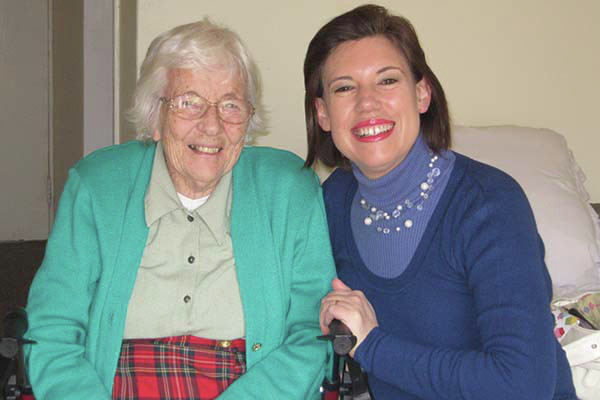
The Heritage Foundation 4 The first patron of the Heritage Foundation, Mrs Monica Brink (née Barry, Class of 1940), with Mrs Bev Smith, 2011
The foundation receives and accepts donations, bequests, sponsorships and bursaries on behalf of St Andrew’s School for Girls. Mrs Smith explains that establishing and cultivating the Heritage Foundation’s endowment fund is about investing in the future of the school. “The Heritage Foundation should be viewed as a lengthy process that will bear fruit many years down the line. Ideally, there will be funds in reserve for the next generation.”
The foundation also works to preserve, restore and showcase the historical assets of St Andrew’s. In 2020, Mrs Smith and Mrs Alison Orpen, the school’s archivist, created a self-guided heritage trail around the school property, complete with a guide booklet, available online or through the Foundation Centre for members of the St Andrew’s community who wish to explore historical points of interest at the school.

![]()
Full steam ahead

Mr David Lowry, chairman of the board, 2002–2010
Mrs Jackson had a challenging task ahead of her in her first few years. She worked closely with the board, led at the time by Mr David Lowry (whom she famously described in her 2009 Speech Day address as “the Rock of Gibraltar, on roller skates”) as well as the finance team. They steered the school back towards financial stability, increased enrolment numbers, and improved staff morale and confidence.
One of the first things that Mrs Jackson identified as a way to draw the entire school together, and to provide support to staff with young children, was the establishment of the preschool. Mrs Philippa Spencer, on the management staff at the time, was closely involved with the process and her own daughter was one of the first pupils in the preschool in 2005.
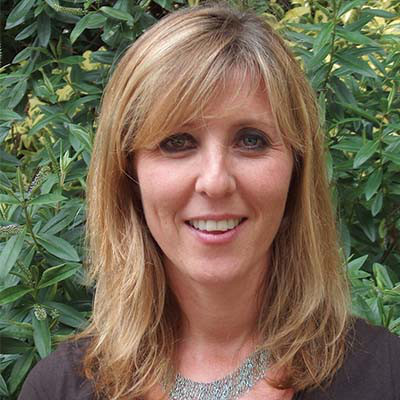
Mrs Petra Scherf Queiros, head of the preschool, 2004–2015
At the time, a crèche was operated for the young children of staff in one of the staff houses onsite, with older children being able to attend Petra’s Edu-Playgroup, managed by Old Girl, Mrs Petra Scherf Queiros, at her home in Milner Avenue. Mrs Scherf Queiros was invited to help set up the proposed Preschool in 2003. She headed the school from its inception until 2015.
“As we created the Preschool it showed that we were one voice – one team together from the babies right through to the Matrics, including our staff. We could align with one another, but be different within that,” says Mrs Jackson.
Mrs Scherf Queiros believed that this ethos of community was an important one to instil in the children who came through the Preschool so that they understood their own value and the value of every person they encountered. She says part of why she agreed to be involved in the project, despite already having run her own school very successfully for many years, was that she appreciated and aligned with Mrs Jackson’s values and saw that “the leaders were very much about the school, the value of the whole school and the children”.
In January 2004, Petra’s@St Andrews, attended mainly by the children of St Andrew’s staff, started in the building that eventually came to house the infant and toddler section. Plans for the new Preschool were drawn up and the foundations laid in October 2004.
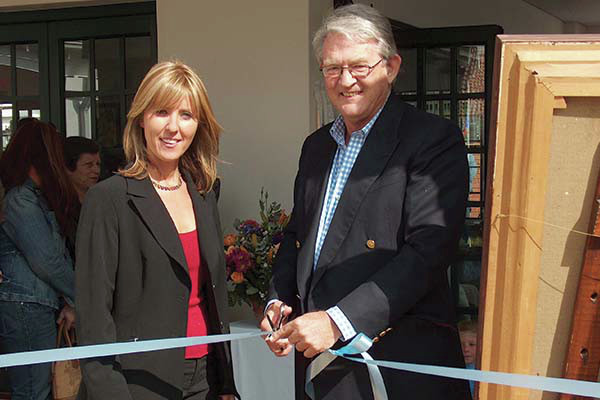
The building was barely completed when the school opened in January 2005. The Preschool caters for boys and girls from three months, with six separate classes for the 3 to 5-year-olds. The Preschool was officially opened by Mr Lowry on 25 May 2005.
From the start, St Andrew’s School for Girls directly employed all the Preschool staff, and by 2008 the name had changed to St Andrew’s Preschool. Throughout her headship, Mrs Scherf Queiros encouraged staff to become qualified, undertake short courses and attend conferences. For instance, Mrs Stephanie Pienaar (formerly Griffin) was appointed in 2004 as the cook and later became a long-serving qualified teacher in the Preschool.
The Preschool
The Preschool The Preschool
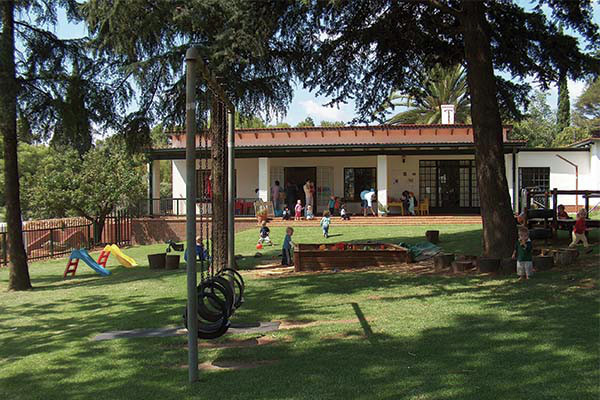
The Preschool 1 Petra’s@St Andrew’s started in an existing building in 2004
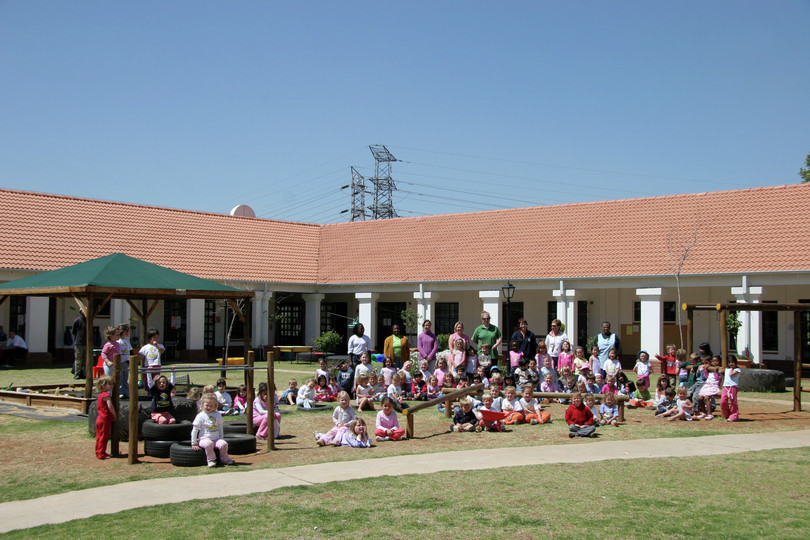
The Preschool 2 Petra’s@St Andrew’s in 2005
The Preschool 3 Mrs Petra Scherf Queiros with Mr David Lowry cutting the ribbon at the Preschool opening ceremony in 2005
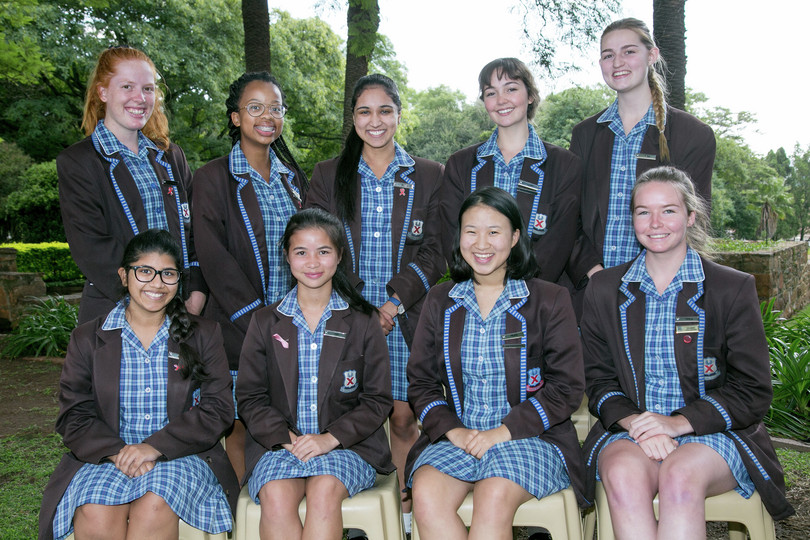
The Preschool 4
Class of 2019 students who began at the Preschool in 2005
Back row L–R: Ashleigh Berry , Karabo Maikeco, Shriya Thaansen, Claire Lombard, Tyla Spencer
Front row: Nikita Bullah, Amy Ma, Myung Sung Kim, Tayla Sinclair
Visibility and excellence
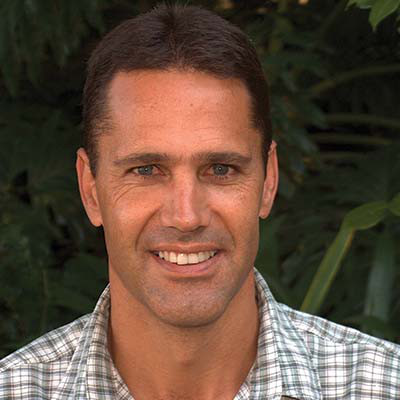
Mr Robert Pullen, appointed as head of sport in 2003
Along with the Preschool building project, and with the advice of the recently appointed head of sport, Mr Robert Pullen, the school built an AstroTurf and a new sports pavilion, including a new tuckshop, which also opened in 2005. These projects were overseen by Mr Ross Kelly, who was the board member in charge of capital developments at the time.
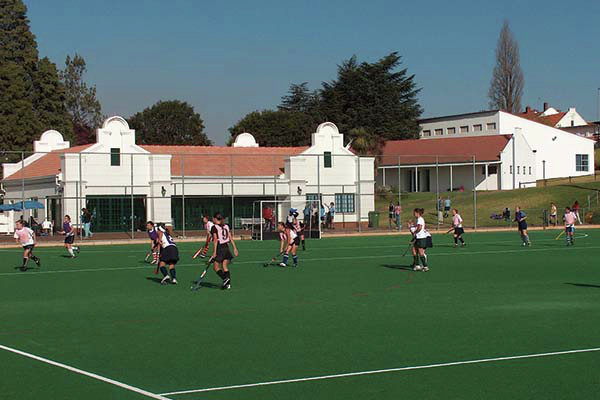
The sports pavilion, including the new tuckshop, and AstroTurf in 2006
This initiative formed part of a conscious attempt to increase the appeal of the school to new pupils and to elevate the school’s sport to a competitive standard that aligned with its rival schools. Mr Pullen explains that sport is an important tool for increasing enrolment because it is one of the more visible and marketable aspects of school life. The results of sports fixtures are often published publicly and these events are an opportunity for spectators to see and experience the school in person.
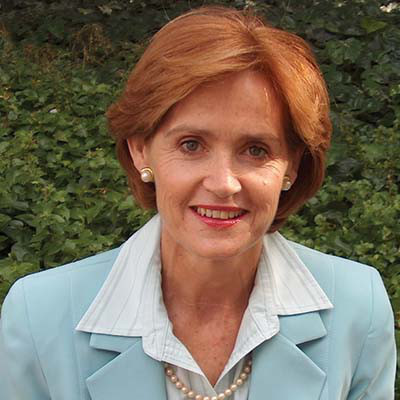
Mrs Ann Wright, head of marketing, admissions and public relations, 2003–2013
Mrs Ann Wright, who was appointed as head of marketing, admissions and public relations in 2003, worked alongside the McEwan family, who ran a successful advertising agency and whose daughter attended St Andrew’s.
Some of Mrs Wright’s marketing initiatives included the innovative branding of the school buses with images of school life. “We went on a mission to attract the top children, and we didn’t look only at academics,” says Mrs Wright.

Mr Raymond Mabaso, one of the school’s drivers, with ‘his’ new branded bus in 2007
Mrs Wright was also intentional about submitting stories and pictures to local newspapers that celebrated girls from throughout the St Andrew’s community. “I always had a camera around my neck, and it gave me the chance to see the girls from a different point of view.”
Sports to the fore
St Andrew’s had always been known for its excellence in academics, but with the focus on “whole-girl education” and on developing new sports facilities and opportunities, it began to enjoy a reputation for sporting successes too.
In 2004, St Andrew’s achieved its first Interhigh Premier Gala win since 1993 (which had been its only previous win). Interschools galas have been swum since 1926 but the 2004 Interhigh win marked the start of an extraordinary 10-year-long winning streak for the school.
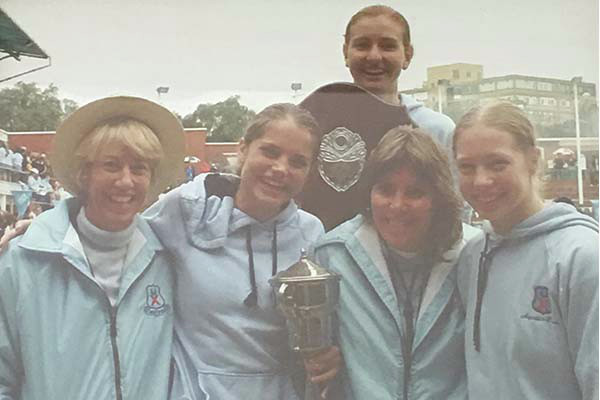
![Interhigh Premier Gala, 2004
:]()
Interhigh Premier Gala, 2004
Interhigh Premier Gala Interhigh Premier Gala, 2004
![]()
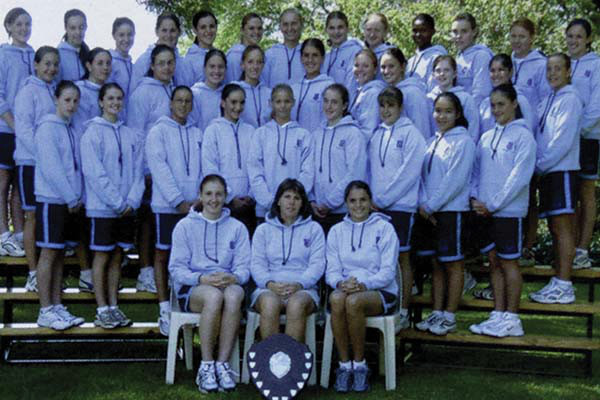
Interhigh Premier Gala 1 The winning senior swimming team of 2004
Back Row L–R: K Guille, Kerry-Lee Bowes, Venetia LePine-Williams, Lindy Scott, Amy Street, Tamsin Hill, Hilois Greyling, Roxanne Longueira, Claire Archibald, Reabetswe Maarohanye, Olivia Clarke, Tijana Huysamen, Hayley Barsdorf,
Third Row: Lia Mundell, Birce Eric, Nicolene Molino, Lara Greeff, Tamsin Price, Jennifer Abbey, Shelly Rudolph, Alexia Cimato, Natalie Moore, Hailey Palm, Stephanie Stanley
Second Row: Stephanie Car, Kelly Harty, Tarryn Blake, Natasha Di Rago, Candice Hart, E Hill, Michelle Tregoning, Candice Ford, Leah Constan-Tatos
Front Row: Lesa-Jo Cloete (captain), Mrs Julie Symons (coach), Stacey Heyink (vice-captain)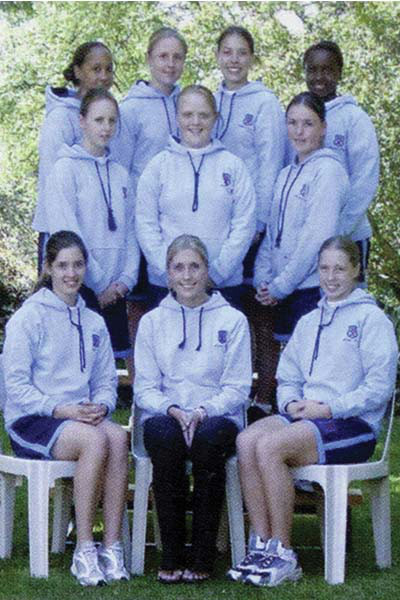
![]()
Interhigh Premier Gala 3 The winning senior diving team:
Back Row L–R: Kelsey Scharneck, Kathleen Car, Merryn Moser, Nalishebo Mwala
Middle Row: Stephanie Car, Bianca de Beer, Erin Guille
Front Row: Nicole Horsley (vice-captain), Ms Kathryn Holland (coach), Susan Holland (captain)![]()
Interhigh Premier Gala 2 Celebrating the first interhigh premier gala win since 1993
Back: Lesa-Jo Cloete (swimming captain)
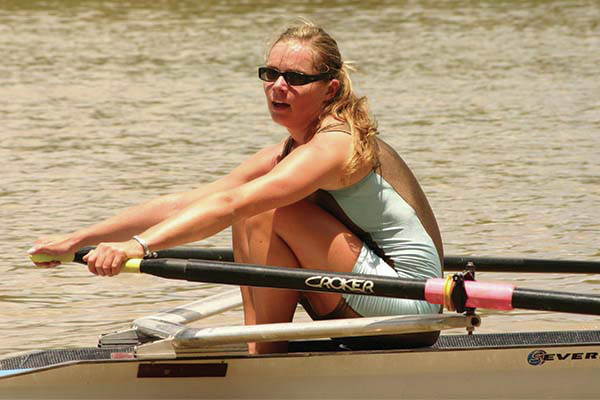
Front: Mrs Pauline Jackson (executive head), Stacey Heyink (swimming vice-captain), Mrs Julie Symons (coach), Susan Holland (diving captain)The school’s rowing team also continued to flourish. Kirsten McCann (Class of 2006), joined St Andrew’s in the third term of her Grade 10 year in 2004, having got to know some St Andrew’s students through various sporting events.
Kirsty, as she was known to many of her classmates, went on to represent South Africa at the 2008 Summer Olympics in Beijing and the 2016 Summer Olympics in Rio de Janeiro. In 2017, at the World Rowing Championships, she won gold in the women’s lightweight single sculls. Kirsty also represented South Africa in the women’s lightweight single scull at the World Cup 2022 in Lucerne, Switzerland where she won a bronze medal.
“St Andrew’s was the perfect school for me,” she recalls. “I have so many happy memories, from the warm welcome when I arrived, to getting my gold badge on my blazer for being a national representative, which I was really proud of, and being a waitress for the Matric Dance. I loved being a St Andrean and that we learned so much more than academics, but to have ethics, to work hard, to carry ourselves well, to be confident and to have life skills.”
Kirsten returned to the school in 2009 to coach the rowing team and says she enjoyed the opportunity to help the girls to achieve their sporting potential, just as she was given the chance to do.
![]()
Kirsten McCann rowing on the Vaal River, 2006
Junior School transition
In 2006, after more than a decade as head of the Junior School, Mrs Barbara Stuart retired and Mrs Fry took over to lead this integral part of the St Andrew’s community.
Junior School head since 2017, Mrs Bev van Niekerk, who has been at St Andrew’s for 27 years, describes the Junior School as the filling in the St Andrew’s sandwich. As the school that receives Preschool graduates and prepares girls for Senior School and beyond, the Junior School is a place that often draws the St Andrew’s community together.
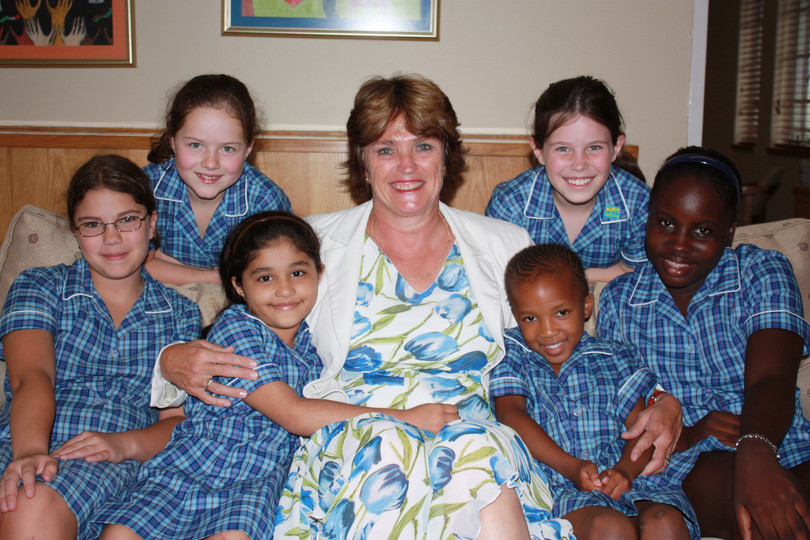
Mrs Cathy Fry and some of the new girls in 2010
In her inaugural Speech Day address as head of the school in 2007, Mrs Fry said that “childhood is a special and sacred thing”, and that the Junior School has endeavoured to provide a safe environment for girls to explore a multitude of opportunities.
Mrs Fry very energetically introduced new teaching methods and promoted staff development. She was closely involved with the establishment of the Therapy Centre and in uBambiswano. Mrs Fry was also responsible for the growth of the Junior School to three classes per grade, which necessitated a huge building project to provide more classrooms.
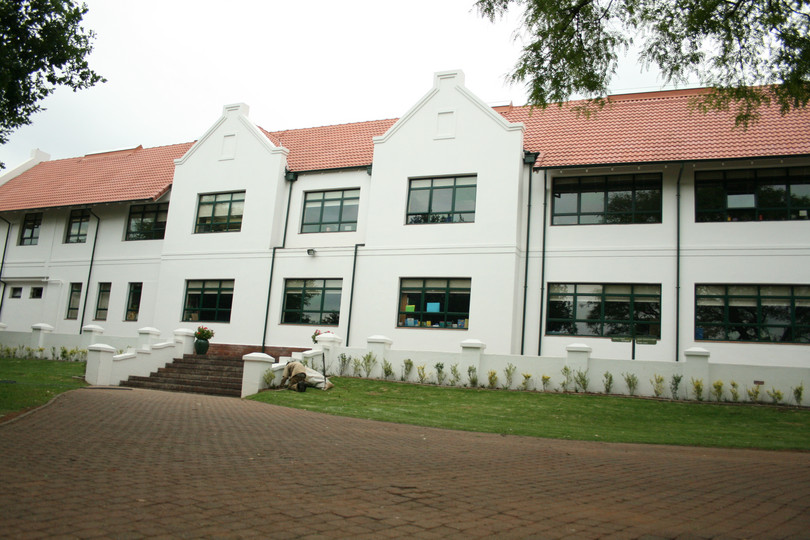
New classrooms were provided in the Junior School by adding a storey to the existing buildings in 2012
Astute financial management
In 2006 and 2007, there were several changes on the financial and management front at St Andrew’s.
In 2006, new legislation required that schools be registered as Section 21 companies, not for gain. This meant that St Andrew’s could issue tax certificates for donations received, which was a step towards improving the school’s fundraising prospects. In the same year, the St Andrew’s Trust gave its support to create the St Andrew’s Heritage Foundation, which was formally launched at the Heritage Ball of October 2007.

Mr Peter Ireland, business manager, 2000–2006

Mrs Helenor Whitecross, business manager, 2007–2020
Mr Peter Ireland, who had been the business manager since 2000, retired in 2006 and Mrs Helenor Whitecross joined St Andrew’s as the new business manager in May 2007 (after her daughter, Melissa, had matriculated in 2006). She had long been an involved parent, serving on the Parents’ Association and rowing club committees. She had spent many years working in the auditing industry, and when she was asked if she would consider the role of business manager, she decided she was ready for the challenge.
At the time she joined, St Andrew’s was in difficult financial circumstances, with a substantial debt to the South African Revenue Service, but Mrs Whitecross says everyone pulled together and worked hard to improve the financial position. Because Mrs Whitecross had been a parent of a St Andrew’s pupil, she was able to empathise with those who were struggling to afford school fees, and she believes this helped as she worked to recoup costs.
Mrs Whitecross clearly remembers taking a bottle of sparkling wine to a combined management meeting to celebrate the first time the school was “in the black and not the red”.
“Because it had been a tough road, everyone shared in that incredible feeling of having money in the bank,” she says. “We’d had to put capital expenditures on hold, [with support from the board] we brought in a notice period loan that parents were to pay, and that gave us the funding to take on future capital projects. That means we don’t have to take on loans from banks or institutions – we can self-fund through the parents. When the student matriculates or leaves the school, that notice period loan is refunded to the parents. We were the first school to do that but since then, many schools have implemented something similar.”
Creating connections within the staff team
As well as cultivating an environment where girls are enriched, equipped and celebrated, St Andrew’s has teaching, extracurricular, administrative and support staff that are an essential part of the community. Despite the difficulties of the previous few years, when Mrs Jackson arrived, she was intentional about rebuilding staff morale and investing in staff development and opportunities.
The vision was for every staff member who desired personal development to have the opportunity and support from the school to pursue their goals. Many teachers enjoyed the chance to explore different positions and qualifications over their time at St Andrew’s, including the opportunity in some cases to attend conferences and events abroad. Support staff were also encouraged to share their goals with the management team, and backed to achieve them wherever possible.
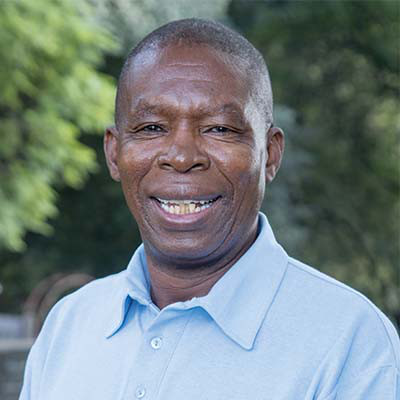
Mr Lesetja (Hamilton) Tshokwe, head of transport since 2011
For example, Mr Lesetja (Hamilton) Tshokwe is one of the longest-serving members of the support team at the school. Mr Tshokwe joined St Andrew’s in 1998 as a driver in the transport department.
At the prompting of Mrs Jackson, and with the school’s support, Mr Tshokwe earned his Matric certificate, which he had previously not had the opportunity to do. He went on to complete a management diploma and two computer skills courses of his own accord.
“I wanted to surprise Mrs Jackson when I showed her my certificates,” he recalls. “I remember she said she was so proud of me.” He began to assist the then estate manager, Mr Allan Groenewald, with arranging and managing transport for the girls.
In 2011, Mr Tshokwe was called in for a meeting with Mrs Jackson, Mrs Whitecross, and Mr Groenewald, which turned out to be an interview to find out if he would be willing to consider the position of head of transport. He says he felt valued and appreciated and that his “interviewers” made sure he knew that he was someone that could contribute to the future of the school.
He embraced the position, taking on responsibility for managing the school’s small fleet of vehicles and its team of four permanent drivers, as well as overseeing the hiring of additional transport when required. He optimised the route schedules, cut down on bus hiring by maximising the school’s own vehicles and staff, and in the decade following, developed relationships with suppliers and school staff to keep the whole system running smoothly and the students safe at all times.
“This is what you call transformation,” he says. “They supported me and allowed me to handle things in my own way.”
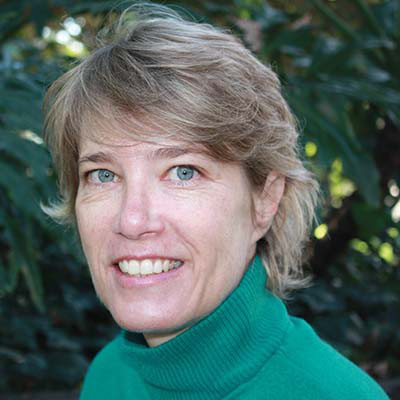
Ms Sue Tasker, Senior School deputy head, 2006–2011
Ms Sue Tasker is another example of someone who felt her time at St Andrew’s afforded her opportunities for growth. She held the position of deputy head from 2006 until the end of 2011. “My key role was student affairs, including discipline. I was in charge of the boarding and at a later stage picked up the academic portfolio as well. I ran the student leadership programme and the student school council [whilst also teaching] Grade 8, Grade 11 and Grade 12 life sciences.”
“There were many highlights for me. One was having the privilege of working with a great staff (academic, admin, boarding, catering and estate staff). We worked hard, supported each other and the collegiality was wonderful. I enjoyed watching the girls excel in sporting and cultural activities, and watching those who struggled academically realise their potential, and another highlight was the successful [continuation] of the Grade 12 [task team] system, which allowed all girls to develop leadership skills, rather than just a privileged few.”
When Ms Tasker left St Andrew’s it was to take up the position of lady principal at The Wykeham Collegiate, a girls’ school based in KwaZulu-Natal. She believes her time at St Andrew’s helped to prepare her for this role – particularly having had Mrs Jackson as a role model.
“We could communicate easily and honestly. In my opinion, relationships and communication form the basis of good leadership: accepting and understanding that individuals function and respond differently; they have different needs and wants, so it is important to get to know each person, know how to interact with them, and focus on their strengths. This applies to all staff and pupils. A sense of humour is also really important in this job, as well as owning any mistakes made. I developed the ability to stay calm in difficult or challenging situations … I learnt never to assume, and to always hear both sides of the story before making a decision.” Sue Tasker, Senior School deputy head, 2006 – 2011
Adapting for the 21st century
Mrs Jackson and Mrs Faith Bam, who was a board member at the time, felt strongly that issues around gender education in the 21st century needed to be addressed. In 2004, with the full support of the Independent Schools Association of South Africa, they organised a national conference called, “Gender Issues – A Balancing Act”. The conference aimed to reach educators, business managers and parents from both public and independent schools and to offer a platform to address and explore relevant gender issues in education.
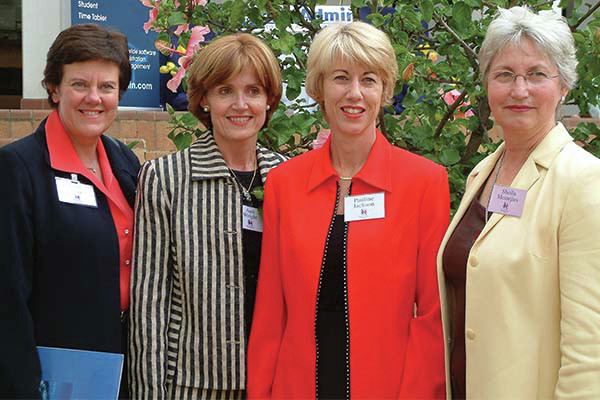
Conference ‘Gender Issues – A Balancing Act’, March 2004
L–R: Mrs Faith Bam, Mrs Ann Wright, Mrs Pauline Jackson, Dr Sheila Meintjies (one of the guest speakers)
Fulbright scholar Mr Sej Motau gave a keynote presentation on “Gender and Power Relationships” and other presentations included an exploration of gender roles in different cultures and the different approaches to education in monastic schools.

Speakers at the Gender Conference Sr Ruth Loubser (L) and Mr Sej Motau with head, Mrs Pauline Jackson
Home away from home
As the green shoots of progress emerged during the early years of Mrs Jackson’s headship and were bolstered by the efforts of people like Mrs Wright in the marketing department, St Andrew’s began to attract girls from further afield. This necessitated fresh investment in the school’s boarding facilities.
Ms Tasker oversaw much of the new boarding house project. “Designing and project managing the new boarding house was a wonderful experience and a steep learning curve,” she recalls. “It was interesting interacting with all the outside contractors and disciplines, such as the architect, engineers and builders. It did come with its frustrations when plans weren’t followed properly, and some rather illogical decisions made by the contractors; for example the shower heads were too low (I think they thought all girls are short!). However, I was very happy with the end result, and I think it is a wonderful space that the boarders can enjoy. Since then, I have managed several building projects and have taken the lessons learned with me, including the attention to the smallest details. Another lesson learned for practical purposes is that the gender of the person who mostly uses the space should have the greatest say in the design.”
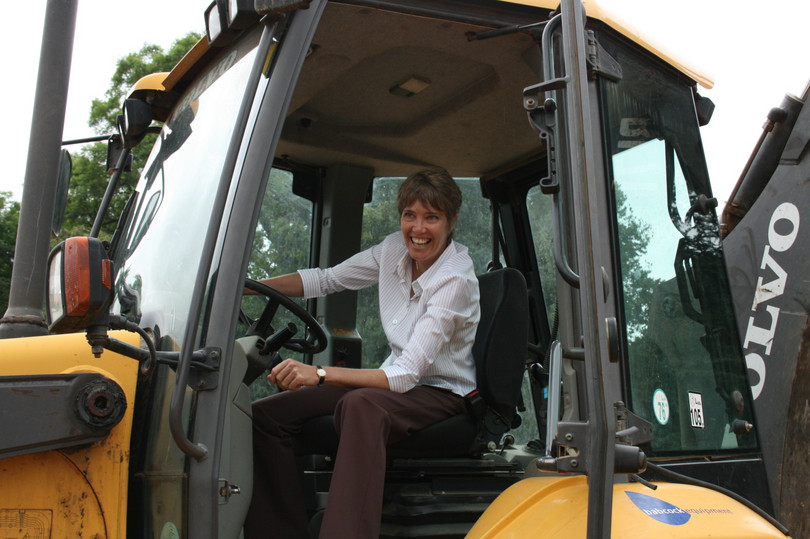
New boarding house
New boarding house New boarding house
New boarding house 1 Ms Sue Tasker on the site of the new boarding house in 2008
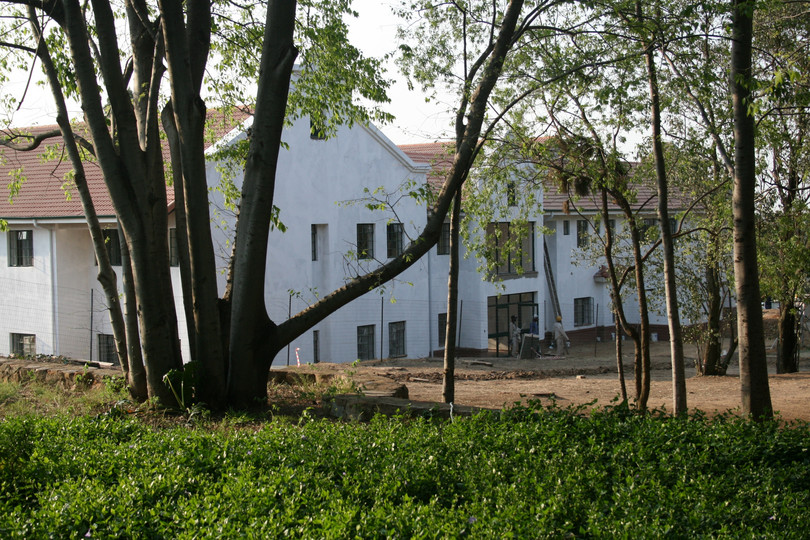
New boarding house 2 Eastern facade of the new boarding house in 2008
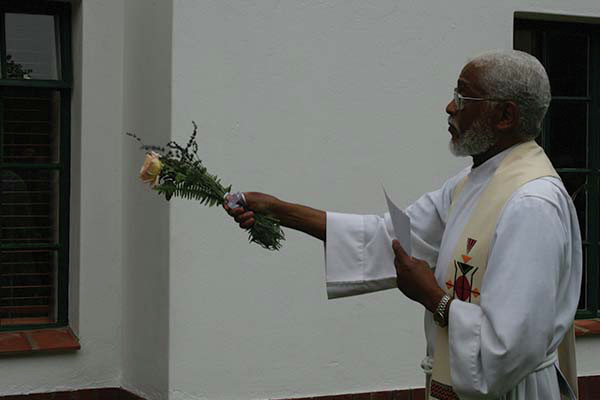
New boarding house 3 Blessing of the new boarding house by Rev Earle Neill on Founders’ Day in 2009
An evolving understanding of outreach
In 1990, Mr Frank Simmonds and his team created the Daveyton Enrichment Programme (DEP), one of St Andrew’s outreach projects into the disadvantaged East Rand region. The name uBambiswano, which means “holding hands”, was adopted in 2001 and became an umbrella term for all the projects of the former outreach that remained active.

The name uBambiswano was adopted for the St Andrew’s outreach programmes in 2001. The new tag line was created in 2019
The vision for the DEP was to share some of St Andrew’s resources and facilities, focusing predominantly on providing Saturday classes for Daveyton and Etwatwa school children at St Andrew’s. Sponsorship was sought for all the uBambiswano projects.
Over the years, uBambiswano evolved and formalised to become St Andrew’s community engagement programme.
Mrs Heather Cook oversaw uBambiswano from 2005 to 2009, after which Mrs Whitecross stepped in to assist until a new head could be found. Much later Mrs Whitecross taught accounting to the Tomorrow Trust students during their Saturday classes (uBambiswano works with children from Grade 6 to Grade 9, and Tomorrow Trust is an uBambiswano partner that caters for students from Grade 10 onwards).
“Being involved with uBambiswano is one of my highlights of working at St Andrew’s,” says Mrs Whitecross. “It was the opportunity to be part of a really special community and to help make a difference in children’s lives. During my time, because we managed to get into a better financial position, the St Andrew’s Trust was able to start offering a bursary to exceptionally talented children from uBambiswano.”
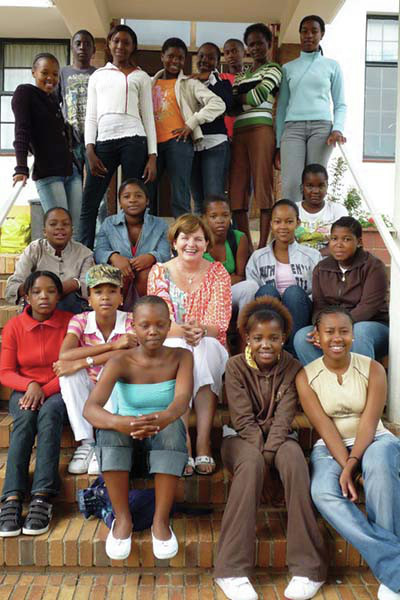
Mrs Heather Cook with Grade 9 uBambiswano students in 2009
Positioned for success
As the school completed its first decade of the 2000s, St Andrew’s was in a good place, with sound finances; competent and committed staff, management and governing structures; full classrooms and a waiting list of pupils. This was a solid foundation for its next phase – one of consolidation and evolving strategic direction.